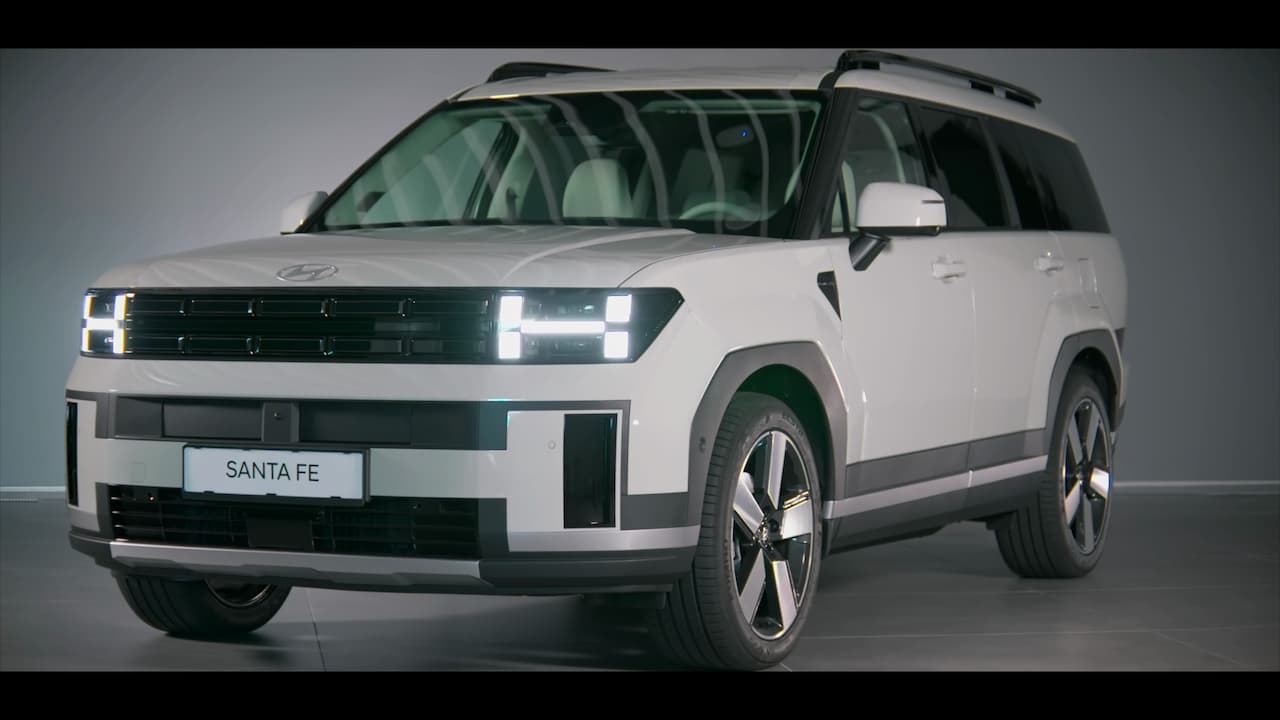
The all-new Hyundai Santa Fe Plug-in Hybrid was showcased in Europe in 2023, and it is likely arriving at U.S. dealers as a MY2025 vehicle. First details about the 2025 Hyundai Santa Fe Plug-in Hybrid have started emerging well ahead of the expected launch, with S.Korean publication Chosun Biz reporting that the new plug-in hybrid model would have 100 km (62 miles) of EV mode range.
In this article, we’ll take a look at everything we know about the new Santa Fe PHEV.
Styling
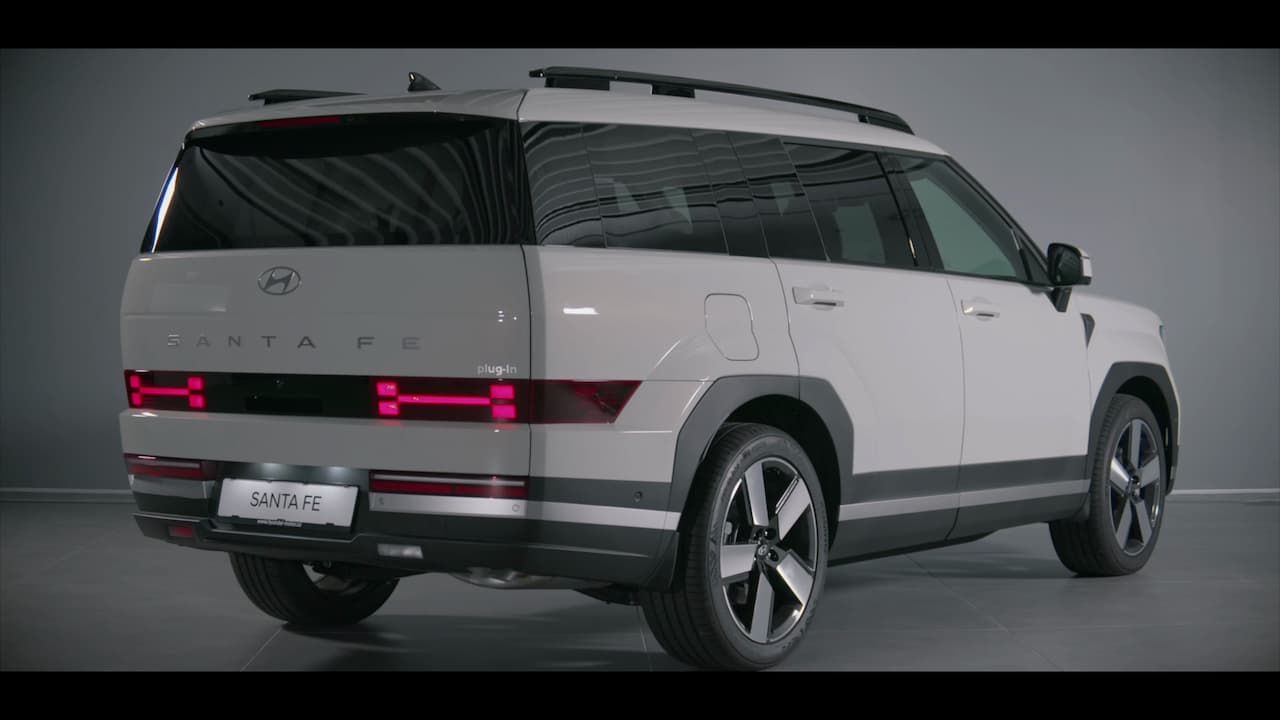
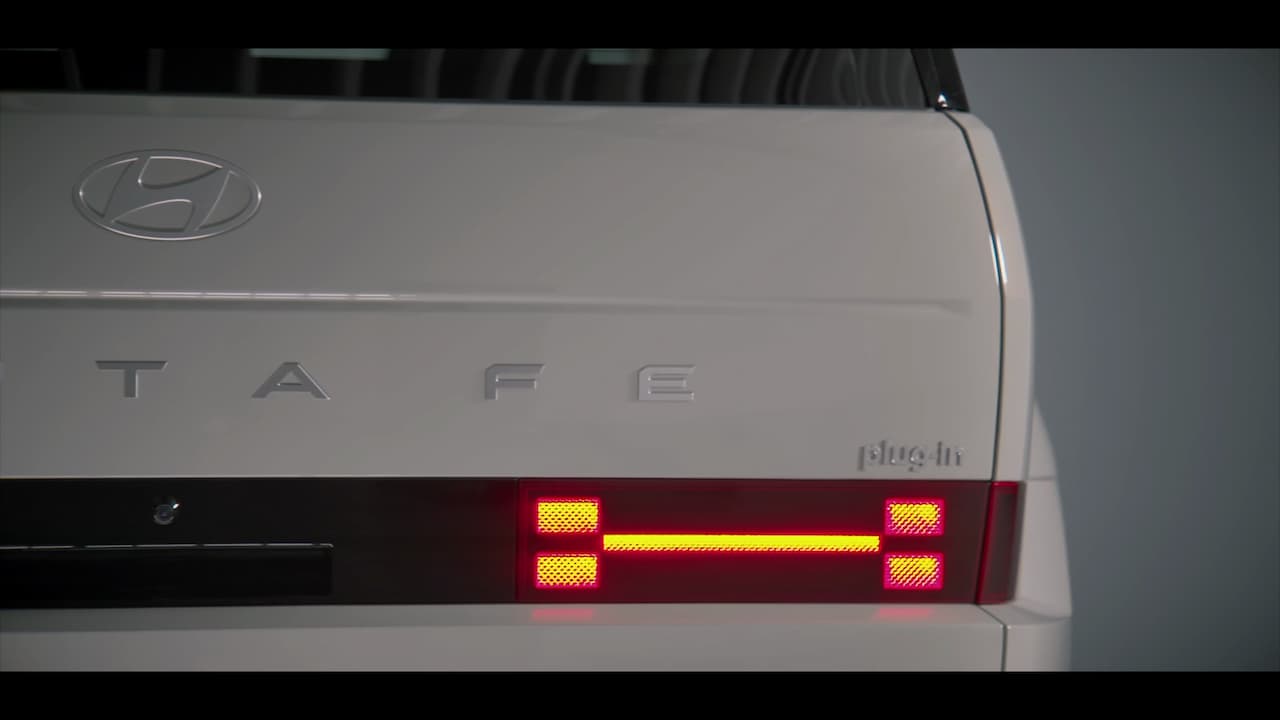
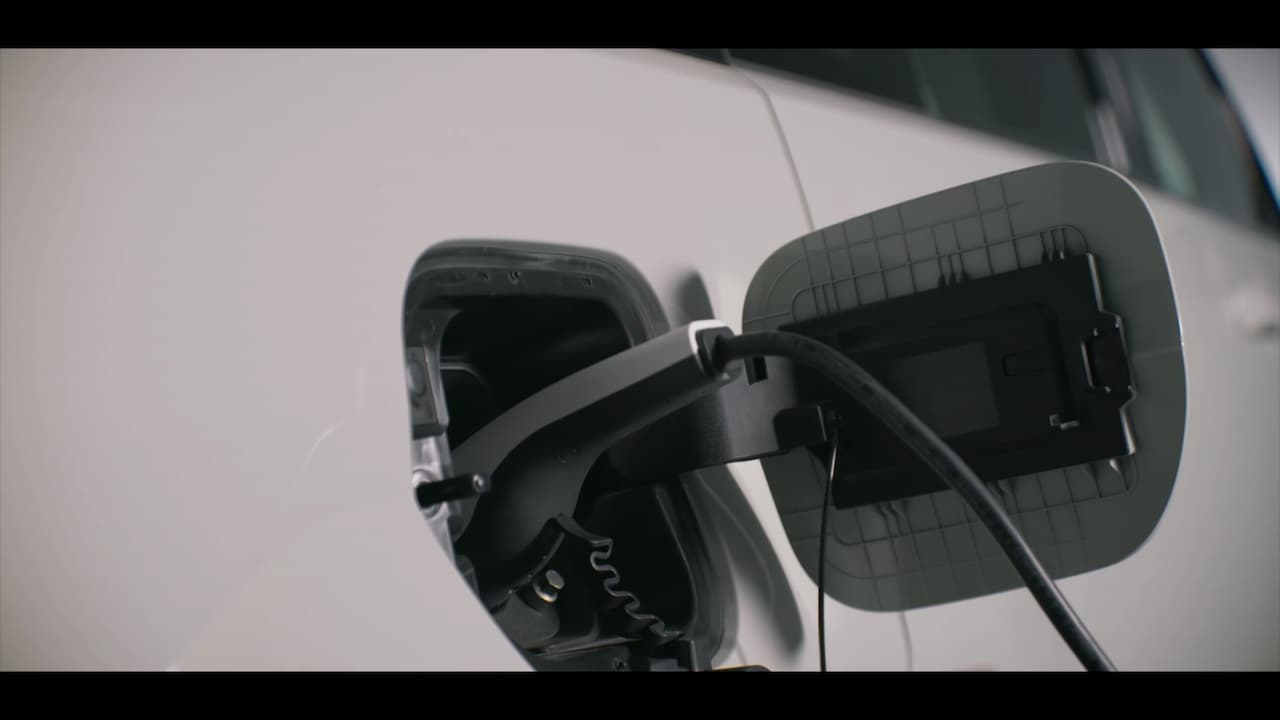
Visually, the 2025 Hyundai Santa Fe Plug-in Hybrid doesn’t differ much from its hybrid counterpart, which has been confirmed to go on sale in the U.S. in Spring 2024. Where the latter has a “hybrid” badge on the liftgate, the former reads “plug-in hybrid.” Apart from that, it has a cover in the right-side rear quarter panel to secure its charging port.
Interior
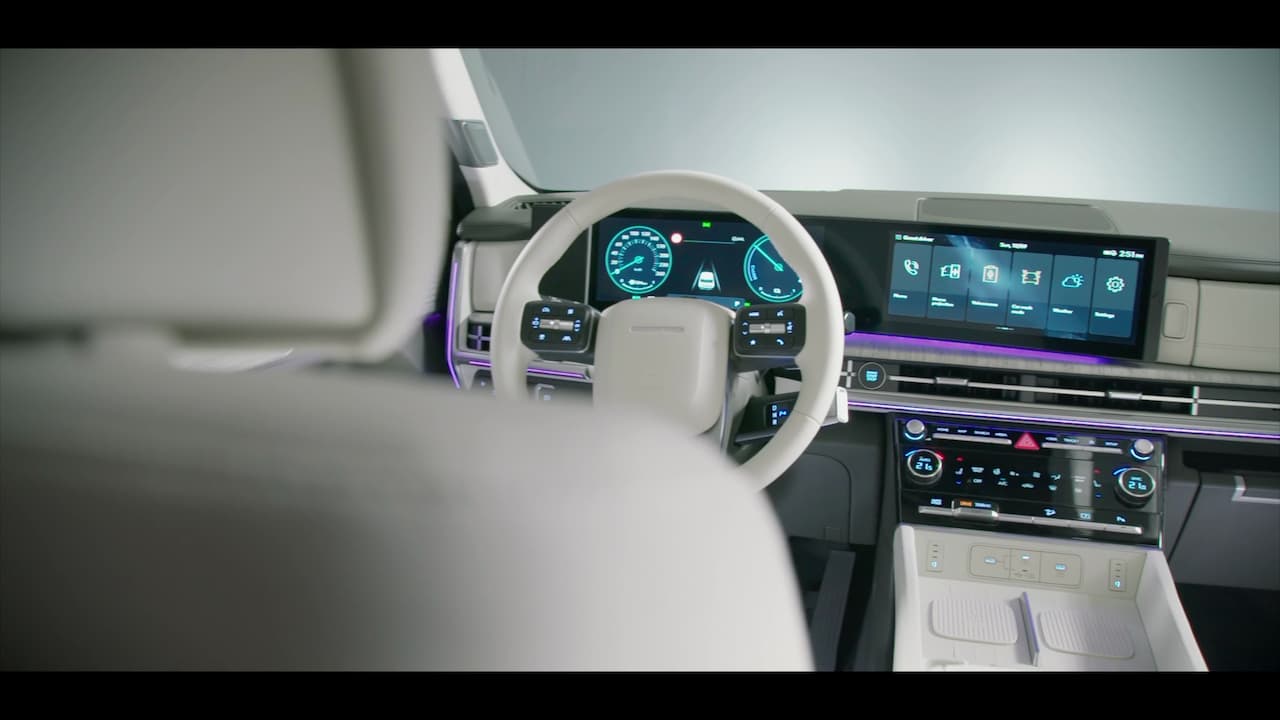
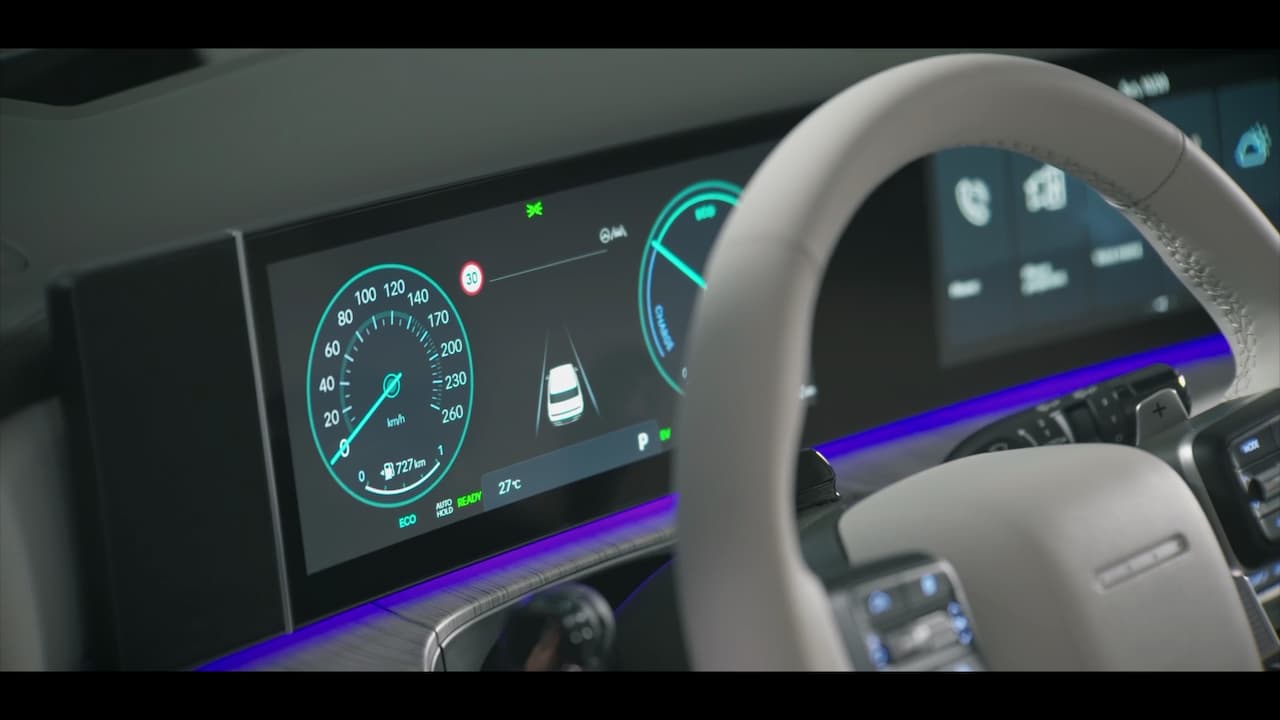
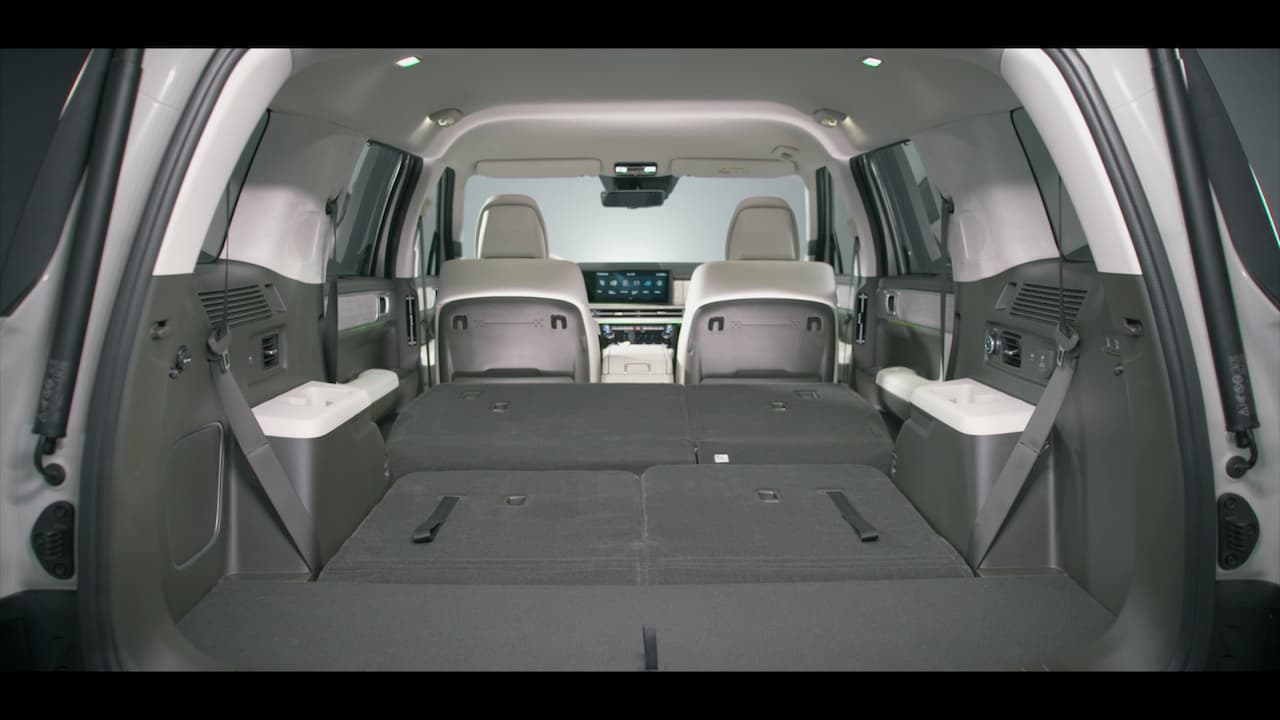
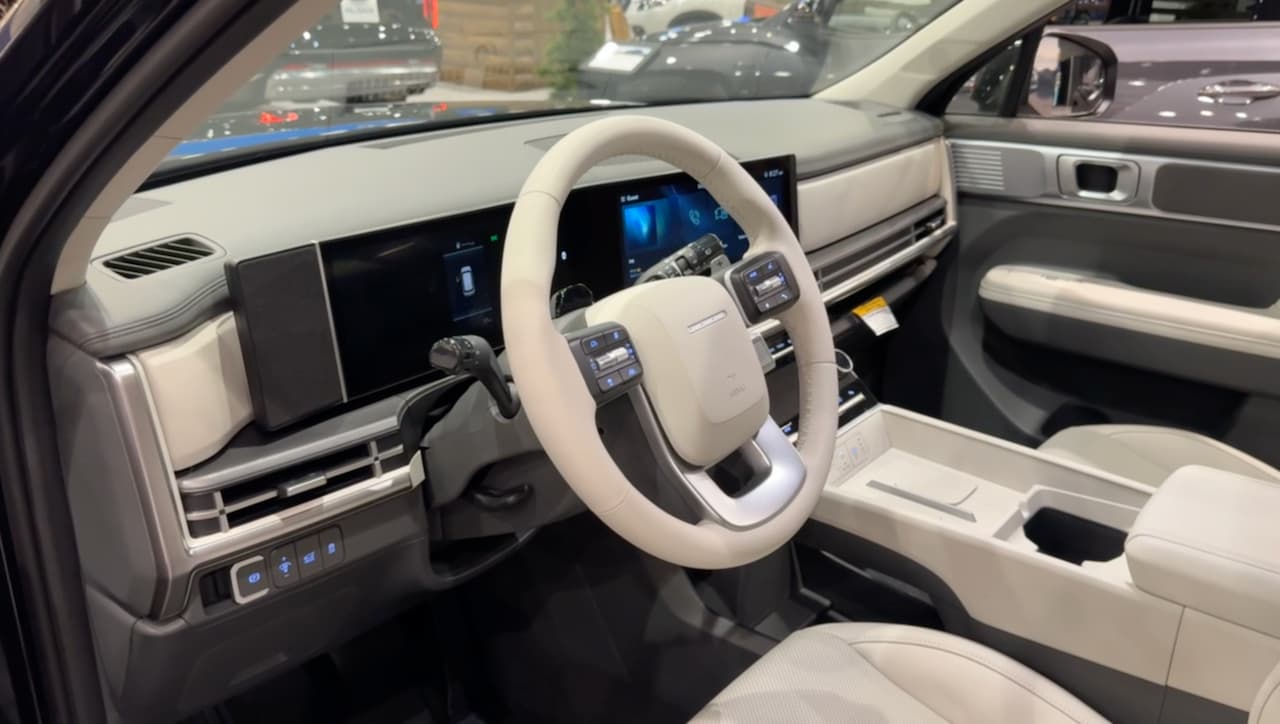
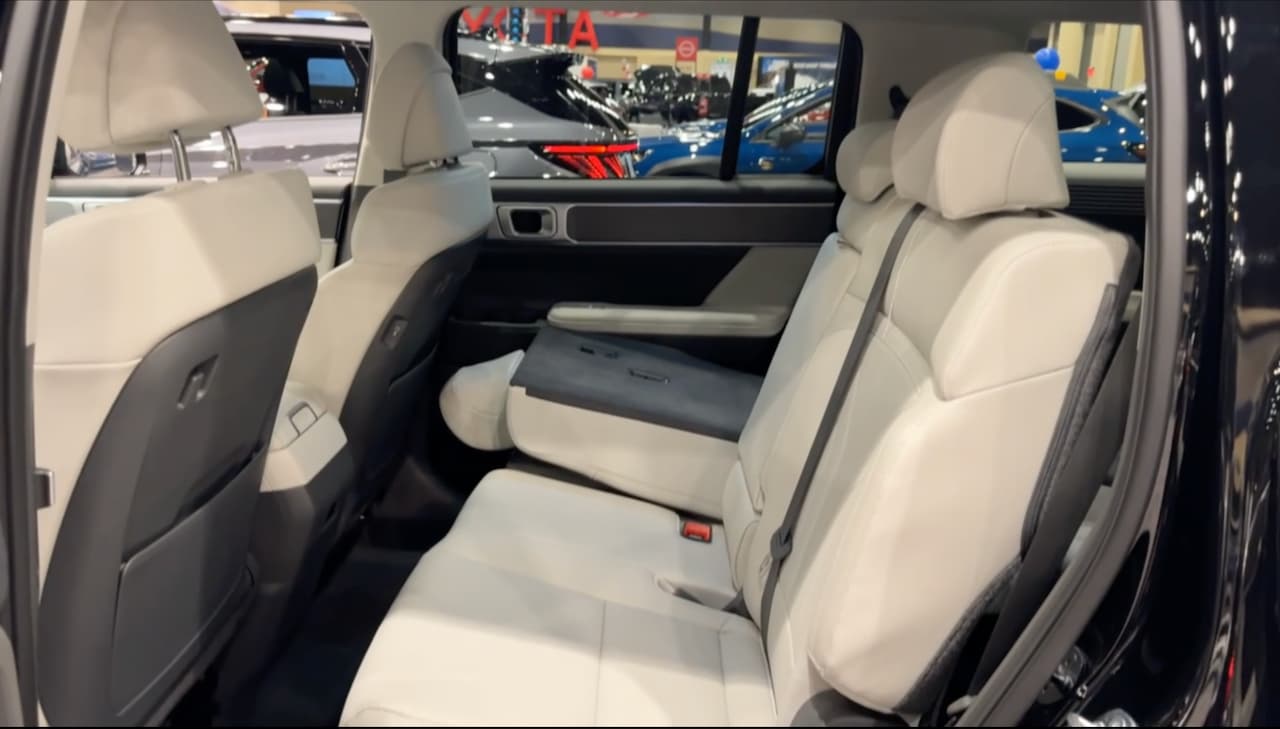
Inside, the redesigned plug-in hybrid SUV has a 2+3+2 seating configuration, although we wouldn’t be surprised if Hyundai offers a 2+2+2 seating configuration as an option. The 12.3-inch screens in the cockpit should display some model-specific information, including the remaining charging level, estimated electric driving range, and nearby charging stations.
Specifications
The 2025 Hyundai Santa Fe Plug-in Hybrid is likely to combine an electrically assisted 1.6-liter turbocharged gas engine with a 6-speed automatic transmission. A mechanical all-wheel drive system will likely be standard.
The current Santa Fe Plug-in Hybrid has a 13.8 kWh battery pack that gives it an EPA-estimated electric range of 31 miles. The redesigned model should have a bigger battery, as reports in other markets say it will deliver an electric range of up to 100 km (62 miles).
As per a report by S.Korean media Chosun Biz on January 5, 2024, the fifth-generation Santa Fe PHEV will come equipped with the company’s second-gen plug-in hybrid system that can drive up to 100 km (62 miles) using only the battery. The article points out that this would be more than twice the range offered by the current plug-in hybrid SUV in the United States.
We’re not quite certain if the 62-mile figure is a WLTP target for European markets, or an EPA-estimated range, and clarity on the specs should emerge later this year. Even 45-50 miles of range would be quite impressive, allowing U.S. customers to conveniently use the 2025 Santa Fe Plug-in Hybrid as an EV for their daily commutes.
Price & Release Date
The gas-powered fifth-generation Hyundai Santa Fe, priced from USD 33,950, is significantly more expensive than the model it replaces (USD 28,750 onwards). Similarly, we expect the plug-in hybrid variant to have much higher prices than the fourth-gen plug-in hybrid (USD 42,410 onwards). We estimate that its base price would be around USD 47,000.
Chosun Biz says that the new Santa Fe PHEV is likely to be launched in 2025. On November 16, 2023, Hyundai announced that the launch cadence for the new Santa Fe in the U.S. would start with the gas-powered model in March 2024, followed by the hybrid version in spring. While the American subsidiary has not revealed the plans for the new plug-in variant, we’re expecting it to be on sale in the U.S. by next year.
Featured Image Source: Hyundai (via Garáž.cz)

I got my Master’s in Business Management & Administration and have been an International Automotive News Editor since 2014. I’ve traveled to global motor shows and automotive events, driven various types of vehicles, and focused on hybrid and electric cars in the last 4 years.