Update: ‘Canoo Lifestyle Vehicle,‘ ‘Zeekr 009,’ and ‘Li Mega’ updated.
There are more than 20 electric MPV and electric minivan models lined up for launch in the next few years, and here is what we know about them.
Ford E-Tourneo Courier
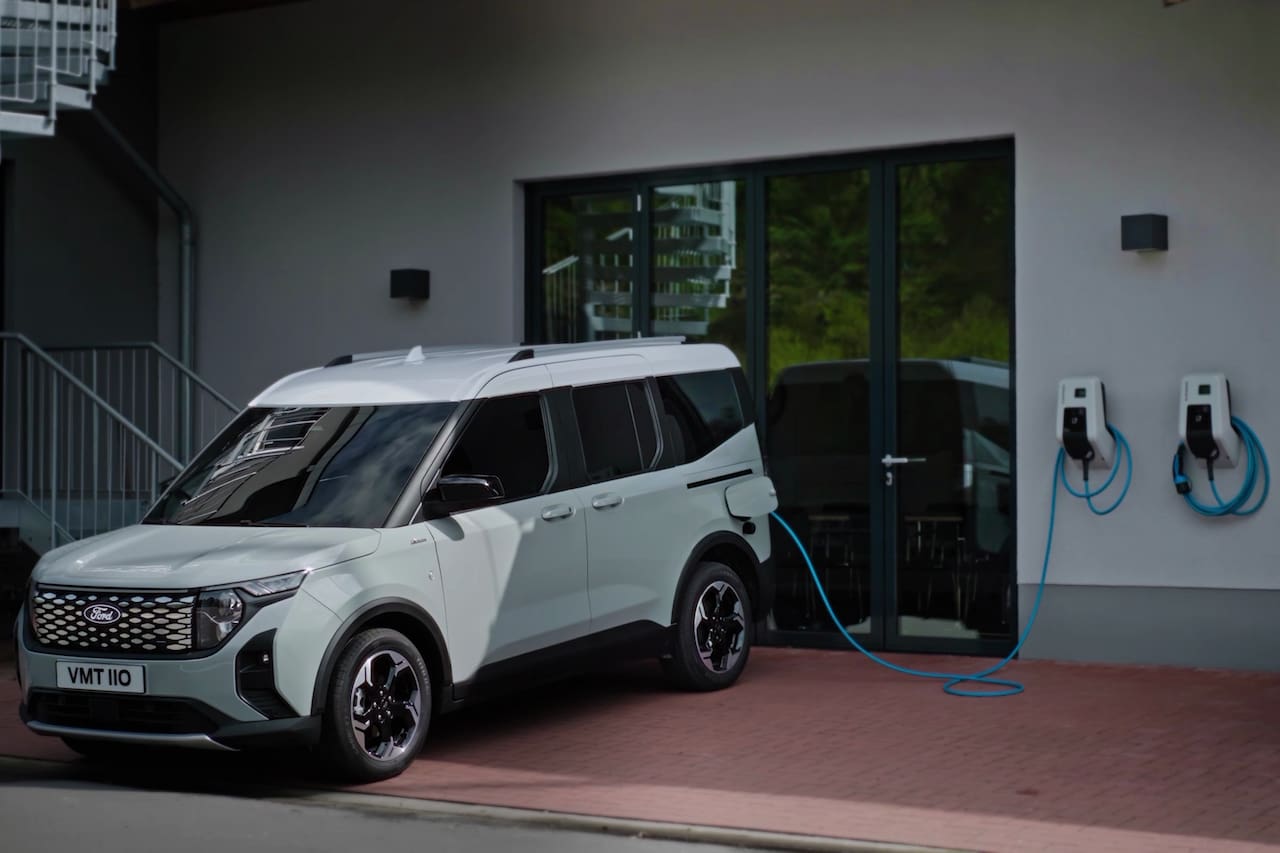
The Ford E-Tourneo Courier is the MPV version of the E-Transit Courier van. The five-seat electric compact MPV offers a zero-emission alternative to the gas-powered Tourneo Courier EcoBoost and flaunts an exclusive front end featuring a full-width light bar and Ford signature chrome diamond grille. A variety of stylish series choices, including an Active trim with contrasting roof color, wheel arch moldings, roof bars, and unique seat materials are available.
Powering the E-Tourneo Courier 100 kW (134 hp) electric motor, placed on the front axle. One-pedal driving is possible in the electric compact MPV. Ford hasn’t revealed the battery pack capacity and range yet, but it says just 10 minutes of a DC fast-charging session adds 87 km (54 miles) to the range. Charging from 10 to 80% SoC with direct current takes less than 35 minutes. The peak DC charging input is 100 kW and the maximum AC charging rate is 11 kW. When plugged into an AC charger, the EV takes 5.7 hours to reach from 10 to 100% SoC.
Ford plans to make the E-Tourneo Courier in Craiova, Romania, from H2 2024. The company may launch it in Europe in late 2024, with no apparent plans for the U.S. market. It showcased the E-Tourneo Courier at the 2023 Munich Motor Show (September 4-10, 2023).
Chrysler Pacifica Electric
In 2016, the Chrysler Pacifica became America’s first plug-in hybrid electric minivan, and in 2021, it enjoyed its best year on the market. Later this decade, it could become one of the country’s first minivans available with a battery-electric powertrain.
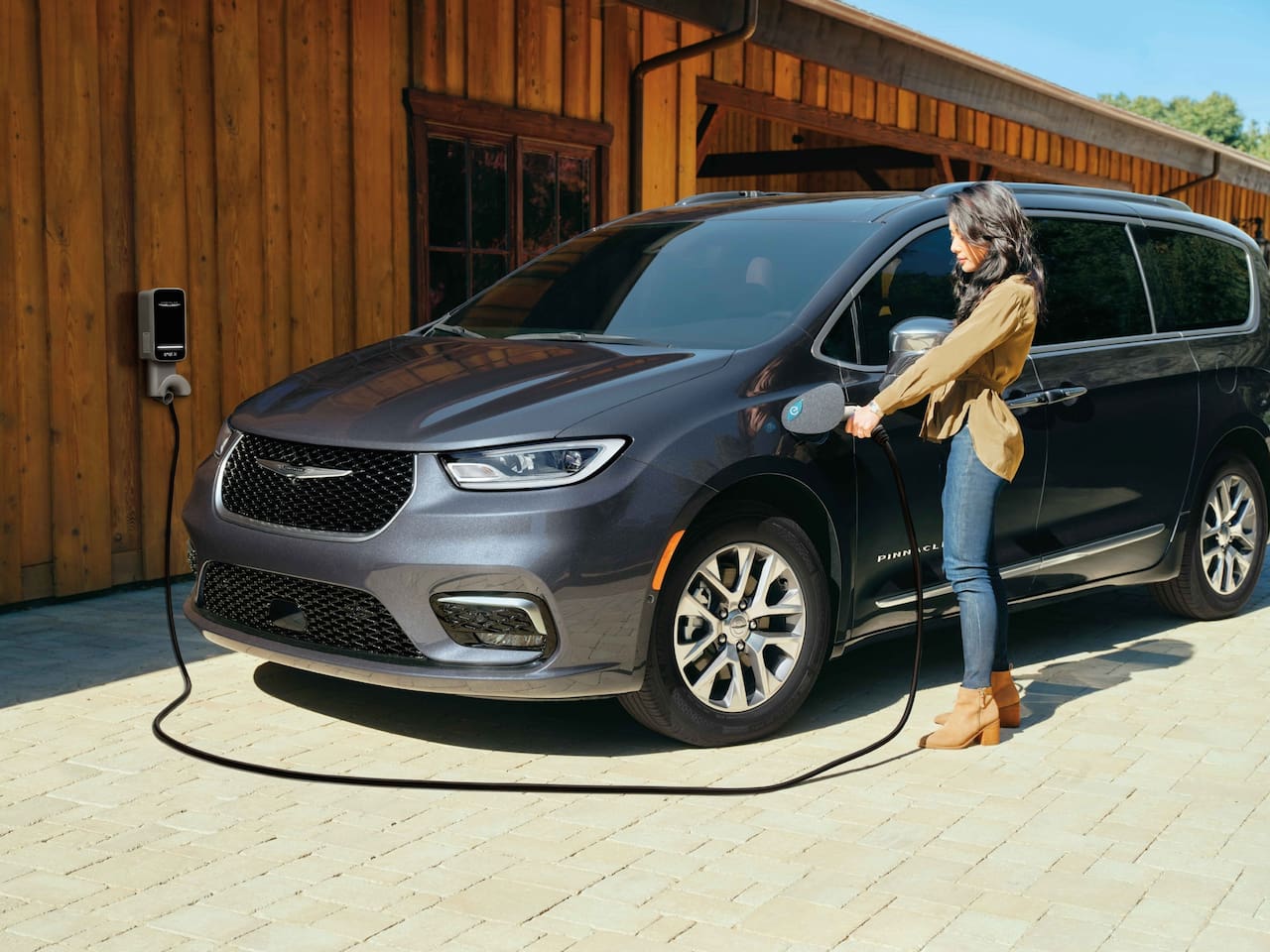
In a conversation with MotorTrend in January 2022, Chrysler CEO Christine Feuell indicated that a Chrysler Pacifica Electric is in the pipeline. The model could be a part of the second-gen Pacifica range and revealed in the second half of the decade. Feuell wants to change the way Americans perceive minivans and could design its electric minivan from a clean sheet. Giving the design an SUV-like feel, similar to what Kia did to the Carnival, wouldn’t be a bad idea, though she didn’t signal a change of that sort was coming.
Speaking with Automotive News Canada in February 2022, the CEO said that the minivan segment would continue being the “mainstay” for Chrysler. Here’s the brand that invented the modern minivan in 1983, and now they could be at it again with the first all-electric American minivan. Feuell said that the company wants to continue transforming that segment but did not confirm details.
At the 2022 New York International Auto Show in April 2022, Feuell provided more indications on what to expect from the Pacifica EV or the Pacifica electric successor. Talking to Green Car Reports, she suggested that the electric minivan may feature the Pacifica’s Stow ‘n Go seating or a new version of the same. More importantly, she hinted that 400 miles would be a good range for allowing customers to enjoy anxiety-free long journeys.
Xpeng X9
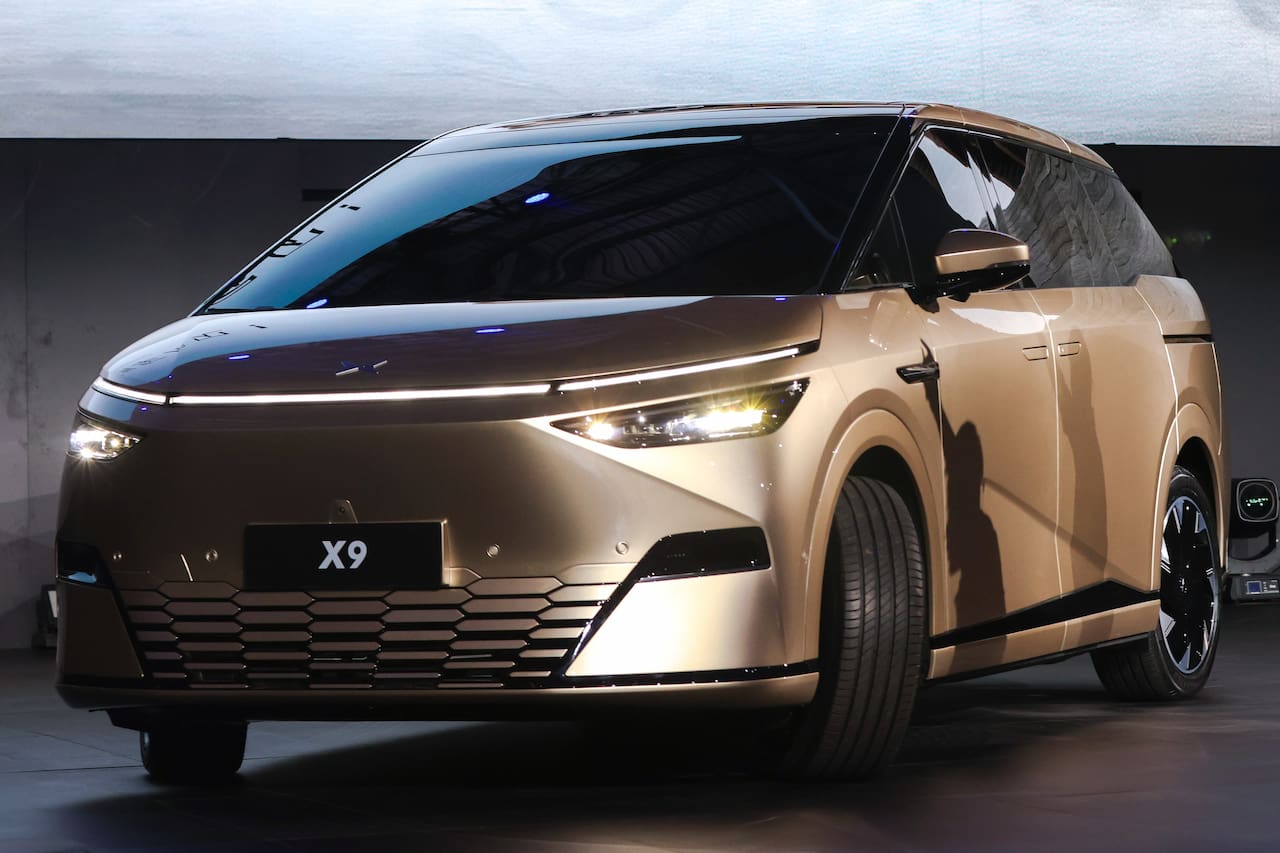
The Xpeng X9 features a modern and striking design, distinguishing it from the crowd and countering the typical notion that MPVs are dull. In what has become a signature Xpeng design cue, the X9 flaunts a narrow daytime running light band expanding the width right below the hood shut line and a split headlamp layout. The main lights have a wedge shape and lie below the DRL. They could be integrating LiDAR sensors as well, although it’s also possible that these sensors are located in the other two housings seen further below in the front bumper.
At the world premiere of the X9 on October 25, 2023, He Xiaopeng, the company’s Co-founder, Chairman, and CEO, said that the 5.3-meter-long X9 is “unbelievably flexible,” indicating it has a short turning radius that makes it easy to maneuver in the city. He revealed that the X9 is equipped with a rear axle steering system and that, in a world-first, this is one of its standard features.
The X9 will be available in a 2WD variant with a 235 kW (315 hp) front motor and an AWD variant with a combination of a 235 kW (315 hp) front motor and a 135 kW (181 hp) rear motor. Both variants will have a top speed of 200 km/h (124 mph). Xpeng Motors has confirmed that the X9 will accommodate seven occupants, but we think it may offer it in an extra-luxurious 6-seat version as well.
Xpeng Motors has released a teaser image revealing a lounge-like interior with roof-integrated ambient lighting surround and a gigantic horizontally laid touchscreen infotainment system. The X9 shown in this picture had two individual seats in the second row, which means we could be looking at a six-seat interior as stated above.
We expect Xpeng Motors to price the X9 at over CNY 400,000 (USD 56,049).
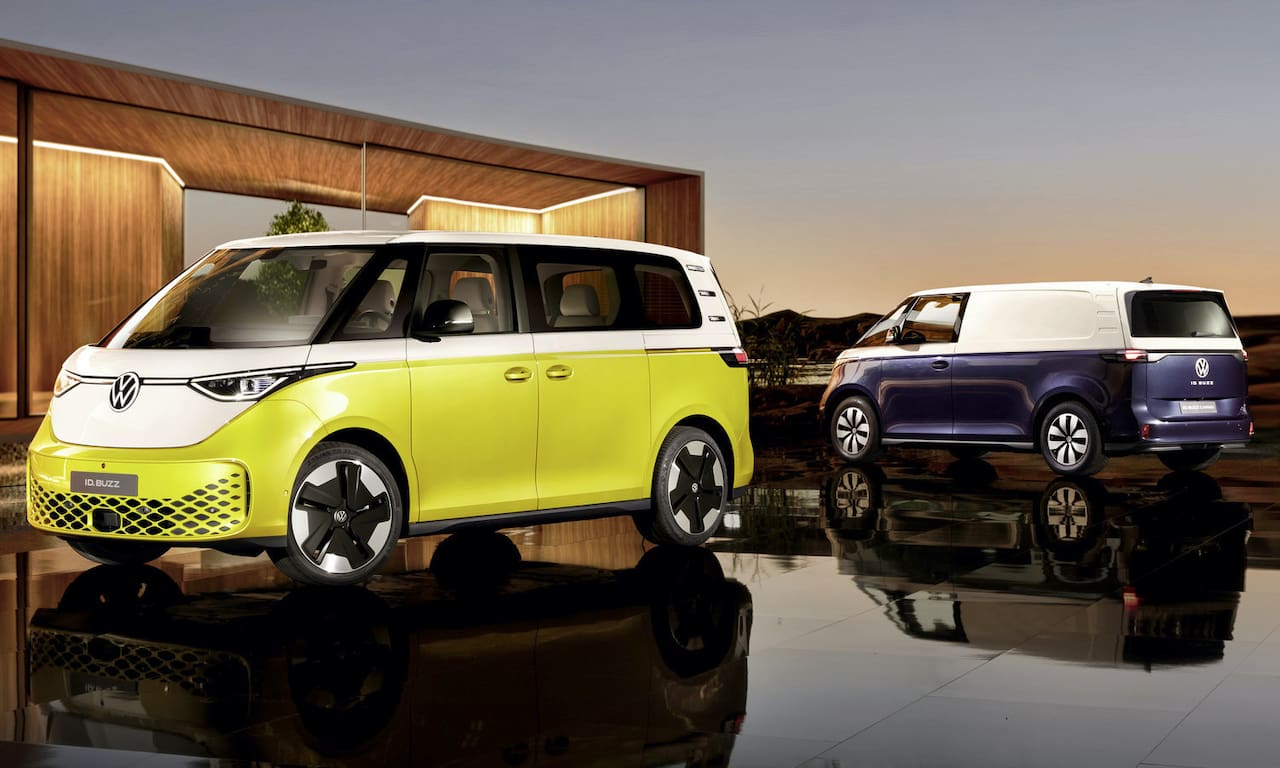
VW ID. Buzz LWB

The U.S.-spec VW ID. Buzz is a new, long-wheelbase version of the electric minivan that was introduced in Europe in 2022. It measures 192.4 in. in length, 77.9 in. in width, and 74.6 in. in height and has a 127.5 in. wheelbase. It includes an additional row of seats and, depending on the configuration selected, can accommodate six or seven people.
The U.S.-spec VW ID. Buzz features dual power-sliding rear doors with small power-sliding windows, a power tailgate, a dimmable panoramic sunroof—the largest sunroof on any Volkswagen Group model, a removable center console, two captain’s chairs, and more. A 91 kWh (gross) battery pack is standard, and two powertrain options are available: 201 hp single-motor and 282 hp dual-motor. 99 mph is the top speed.
The 2025 VW ID. Buzz will go on sale in the U.S. in 2024.
VW ID. California
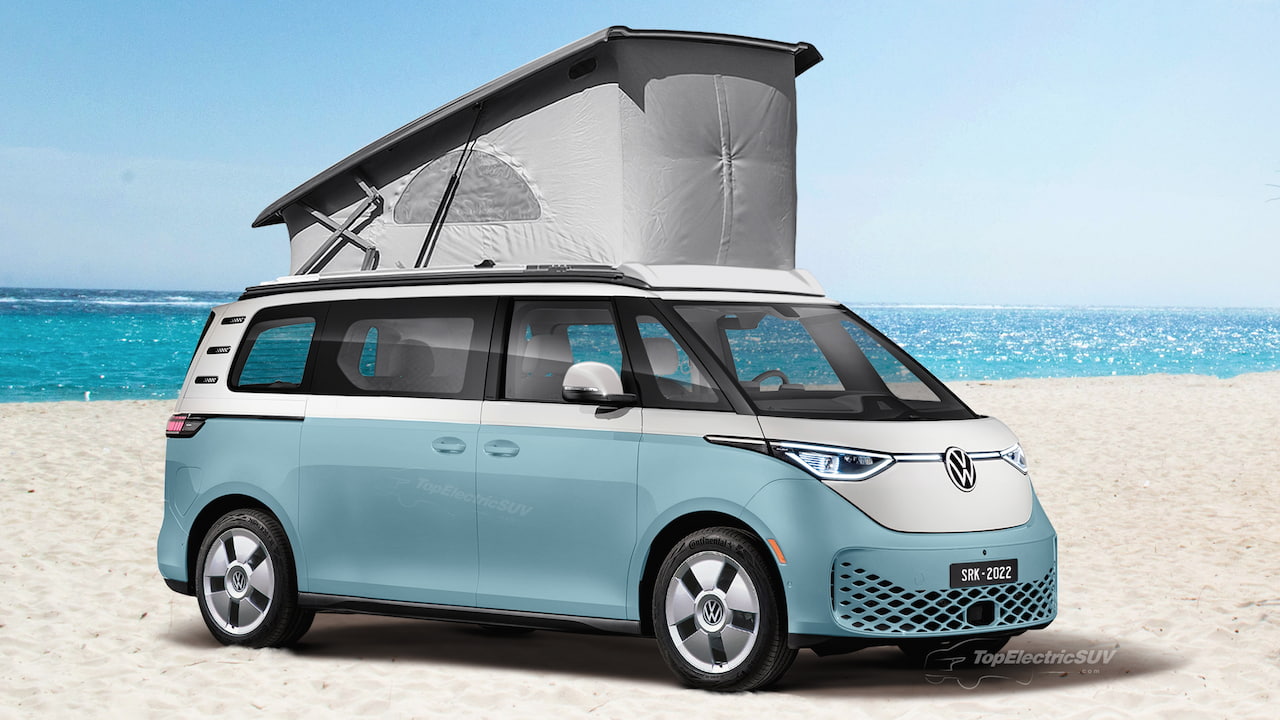
Following the VW ID. Buzz, Volkswagen will launch an all-electric campervan under the VW ID. range. Volkswagen Group announced this surprise electric minivan as the ‘VW ID. California’ in the Planning Round 70 it conducted in December 2021. The company said that it would manufacture the ID. California in Hannover, Germany. The U.S. launch of the ID. California could take place after 2025.
Canoo Lifestyle Vehicle
If the California-based startup keeps all its promises, the Canoo Lifestyle Vehicle will be one of the most futuristic electric vans on the American market. Designed for maximum cabin space, which incidentally leads to a sci-fi flick exterior, it is available in Base, Premium, Adventure, and Delivery trims. Its interior space is similar to a large SUV, claims Canoo.
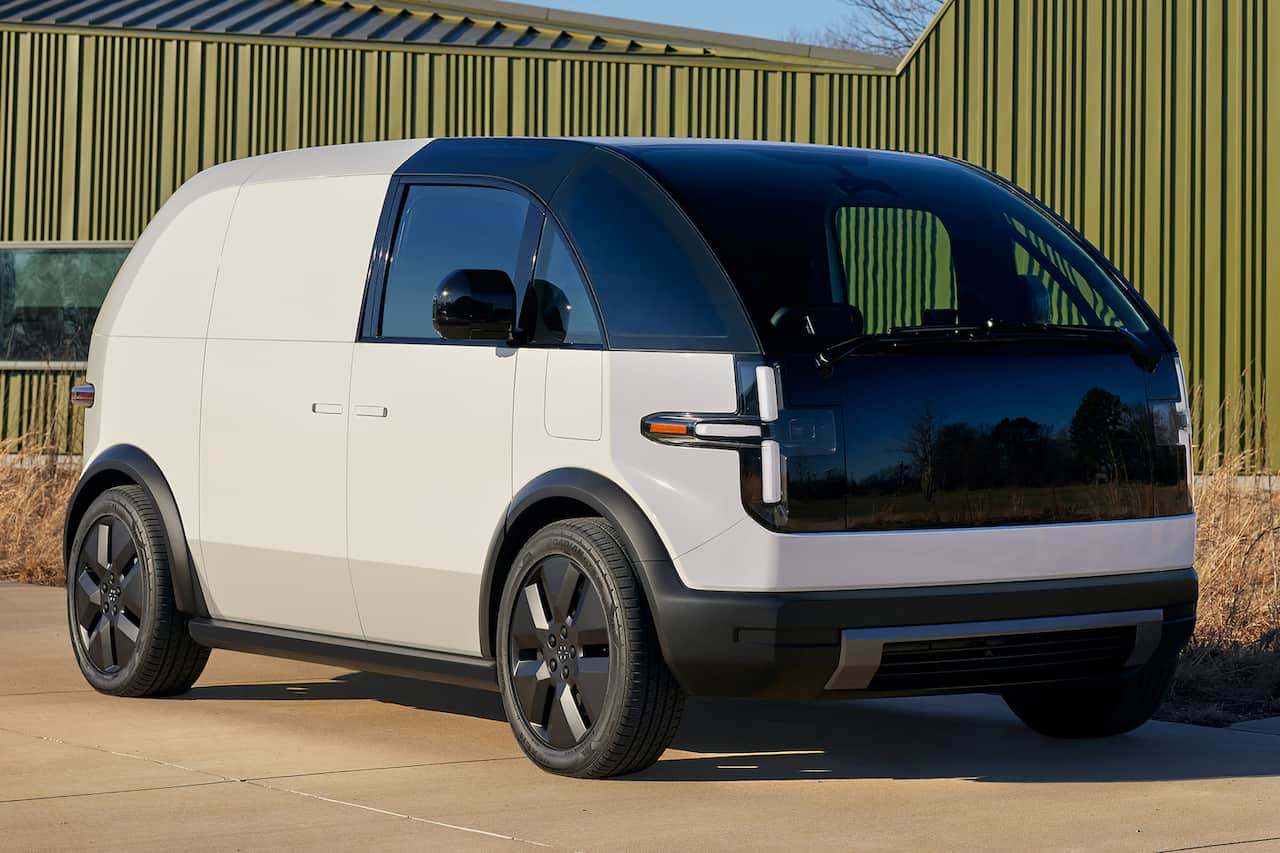
The Canoo Lifestyle Vehicle’s exterior dimensions are similar to a compact car’s. Canoo is expecting to offer it with a powertrain that generates up to 300 horsepower and 332 pound-feet of torque and a battery pack that provides a range of 250 miles. The company aims to price the Base, Premium, and Delivery trims between USD 34,750 and USD 49,950. It has started taking pre-orders with a deposit of USD 100.
Canoo has started production of the Lifestyle Delivery Vehicle in Oklahoma and dispatched the first batch to the state government. Oklahoma has agreed to acquire up to 1,000 vehicles from Canoo, but the company hasn’t disclosed how many units it shipped in the first batch. It has allocated the milestone units to the Office of Management and Enterprise Services, which is located in Oklahoma City.
Voyah Dreamer
China’s Dongfeng Group’s high-end EV brand Voyah (‘Lantu’ in Chinese) unveiled its second product at the 2021 Guangzhou Auto Show (19-28 Nov 2021), an electric Minivan called the Voyah Dreamer. The luxury MPV was shown in a comfort-oriented, luxurious four-seat configuration. The MPV will do 0-100 km/h (0-62 mph) in 5.9 seconds.
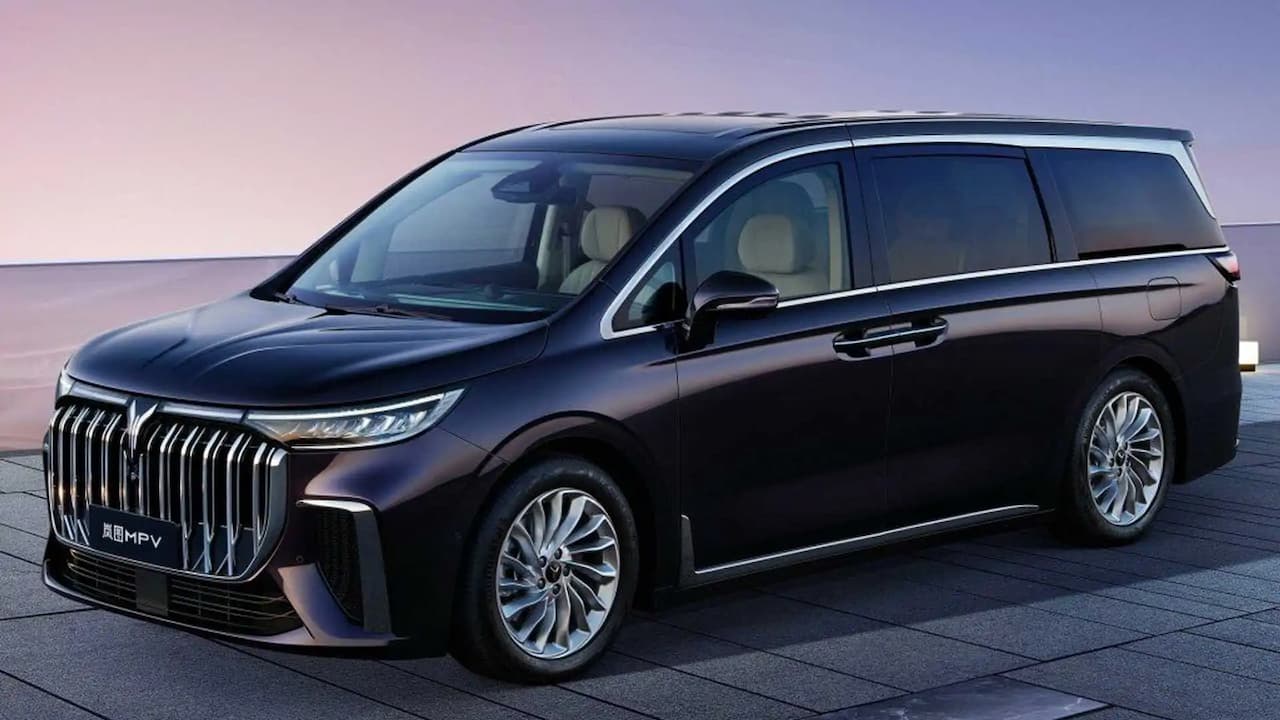
The Voyah Dreamer MPV measures 5,315 mm in length, 1,980 mm in width, and 1,810 mm in height, and it has a 3,200 mm-long wheelbase. It will be available in 4- and 7-seat versions. The Dreamer is equipped with front and rear motors that deliver 320 kW and a peak torque of 620 Nm. The front seats are 12-way electrically adjustable, while the middle row seats are 8-way power-operated. There are a plethora of features, including massage and electric leg rests for the middle row seats, 5G connectivity, and a Level 2+ autonomous driving system.
The new electric minivan features a fully digital instrument cluster, a large central touchscreen, and a large touchscreen passenger display ahead of the front seats. The rear-seat occupants get reclining seats with wing-type headrests, large leg rests, perforated leather upholstery, fold-out tray tables, and Xiaomi TV.
Dongfeng Group started production of the Voyah Dreamer in Wuhan in April 2022. The company has launched the electric luxury MPV in the domestic market. The launch prices of the seven-seat version ranged from CNY 369,900-439,900 (USD 51,832-61,640), while the prices of the four-seat customized version started at CNY 639,900 (USD 89,665).
European launch
In Europe, Voyah is present in Norway, Finland, and Denmark. In October 2023, the company showcased the Voyah Dreamer as the ‘Voyah Dream’ at the eCarExpo in Copenhagen, Denmark, and at the 2023 Oslo Motor Show in Oslo, Norway. In Denmark, prices start at a whopping DKK 699,990 (USD 101,058) and go up to DKK 799,990 (USD 115,495). Customer deliveries will commence in Q1 2024. Denmark will get the Dream with 429 HK (423 hp), a towing capacity of 1,200 kg, and a WLTP range of 482 km.
Maxus MIFA 9
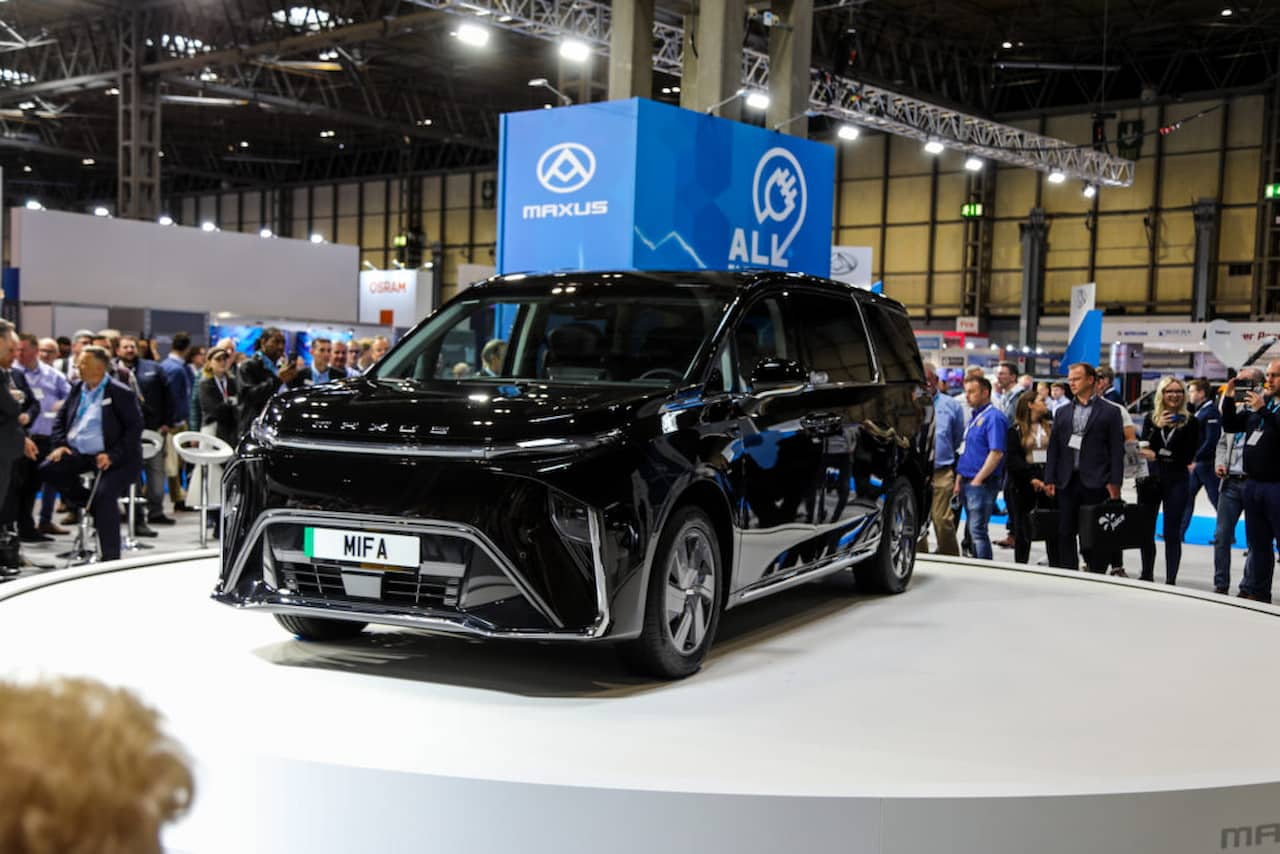
The production Maxus MIFA 9 electric Minivan (shown as the MIFA concept at Auto Shanghai 2021) debuted at the Guangzhou Auto Show 2021. The MIFA 9 appears elegant thanks to its high-set bonnet and the absence of a large radiator grille. Unlike most MPVs, its bonnet isn’t angled downwards, making it appear muscular. It sports aero-optimized wheels and full-width LED taillamps.
On the inside, the electric van packs generous digital real estate. It features three large screens on the dashboard. A tiny animated virtual assistant can be seen on the extreme right of the dashboard. The MPV can be purchased with either six- or seven-seat configurations. The six-seater gets captain chairs in the second row. All seats are electronically adjustable—even the third-row seats get individual armrests.
The MIFA 9 electric MPV is based on a new platform called the Maxus Intelligent Flexible Architecture (MIFA). It comes with a 93 kWh li-ion battery with a CLTC range of 520 km (323 miles) with a single motor delivering 180 kW (245 PS) and 350 Nm of torque, with a longer range model of 650 km (404 miles) due in 2023.
Parent company SAIC produces the Maxus MIFA 9 at the Lighthouse factory in Nanjing, China. The luxury MPV made its British debut at the 2022 Commercial Vehicle Show that took place in Birmingham from May 24-27, 2022. The new electric van is now available at UK dealerships, with prices starting at GBP 53,588 (USD 56,693). Customers can choose from three trims: Elite, Luxury, and Premium.
Maxus MIFA 7

The Maxus MIFA 7 is a younger sibling of the Maxus MIFA 9. It flaunts an SUV-like tough front-end with an upright face, vertical headlights, and a chunky bumper. From the sides, though, it looks like a proper MPV due to the large windows and doors. Another highlight here is the use of camera-based virtual mirrors. At the rear, vertical tail lamps on extreme ends emphasize the width, and like the headlamps, they seem to have a connecting light strip.
Inside, the design is similar to the MIFA 9, with an HD triple-screen dashboard display panel, running on the Qualcomm 8155 chip. The side mirror cameras display their live feed on dedicated screens integrated into the front doors. The central armrest box has ample storage space, a wireless mobile phone charger, and two cup holders. Customers have a choice of six and seven seats in this electric MPV.
The Chinese-spec MIFA 7 is 4,907 mm long, 1,885 mm wide, and 1,768 mm tall, and it has a 2,975 mm wheelbase. It is a 2WD model with one motor that generates 180 kW (241 hp) of power and 350 Nm (258 lb.-ft.) of torque. There are two lithium-ion battery pack options – 77 kWh and 90 kWh, which allow traveling up to 527 km (327 miles) and 605 km (376 miles), respectively. Maxus equips the MIFA 7 with a heat pump as standard in its home market.
The Maxus MIFA 7’s prices in China start at CNY 145,800 (USD 20,430). Its European launch could take place in the second half of 2024.
Zeekr 009
The Zeekr 009, is the second model from Geely Auto’s premium EV brand and has a refined and sophisticated look. The tall and boxy grille houses lights inspired by the pipe organ, with a thick slab of chrome tipping its upper edge. The split headlamps comprise inverted U-shaped LED DRLs on the top and horizontal main beams in the middle section.
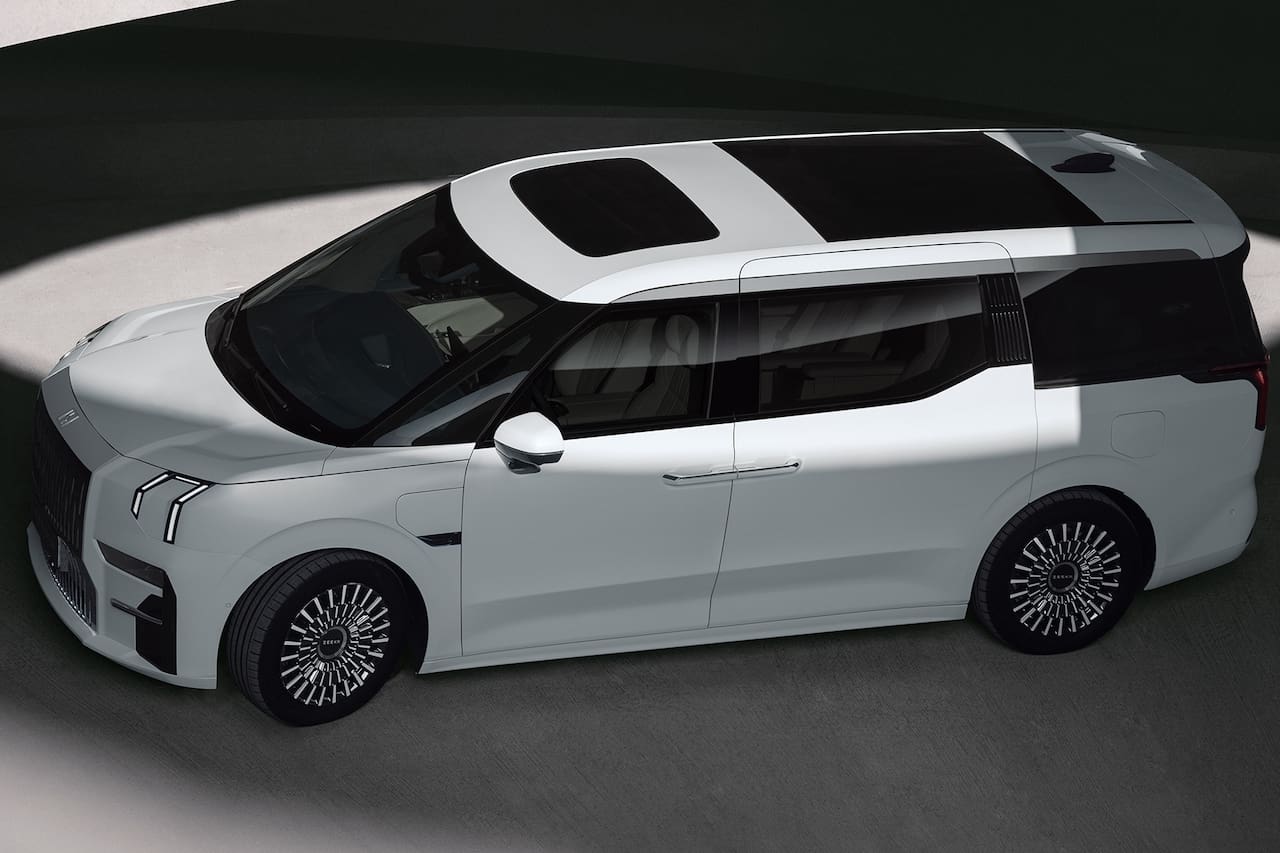
The 009 is a six-seat electric MPV based on Geely’s SEA platform. It is 5,209 mm (205.1 in.) long, 2,204 mm (86.8 in.) wide, and 1,848 mm (72.8 in.)/1,856 mm (73.1 in.) tall. It has a long wheelbase of 3,205 mm (126.2 in.).
The 009 is the world’s first EV fitted with CATL’s Qilin batteries (presumably as per CLTC) of 1,000 km (621 miles). Based on CATL’s third-gen cell-to-pack technology, the new batteries allow a record-breaking volume utilization efficiency of 72% and a high energy density of up to 255 Wh/kg. Fast-charging (presumably from 30 to 80% SoC) takes just 10 minutes).
Zeekr offers the 009 in China in WE and ME variants. The former variant has a 116 kWh lithium-ion battery pack that delivers a CLTC range of 702 km (436 miles) and the ME variant has a 140 kWh lithium-ion battery pack that delivers a CLTC range of 822 km (511 miles). Both variants use two motors, one on each axle, producing 400 kW and 686 Nm of torque. A 0-100 km/h (0-62 mph) sprint takes just 4.5 seconds, which is just crazy for a mammoth like the 009!
Zeekr launched the 009 as its second model in China on November 1, 2022. It costs CNY 499,000 (USD 69,921) in the WE variant and CNY 588,000 (USD 82,392) in the ME variant. Deliveries of the 009 started in April 2023.
Zeekr plans to enter most Western European markets by 2026. The company is beginning its voyage with the 001 and X in 2023, and in the future, it may release the 009. On November 16, 2023, Zeekr opened its first European showroom in Stockholm, Sweden. Next week, the company will inaugurate its second retail outlet in the region in Amsterdam, Netherlands.
Next-gen Mercedes EQV
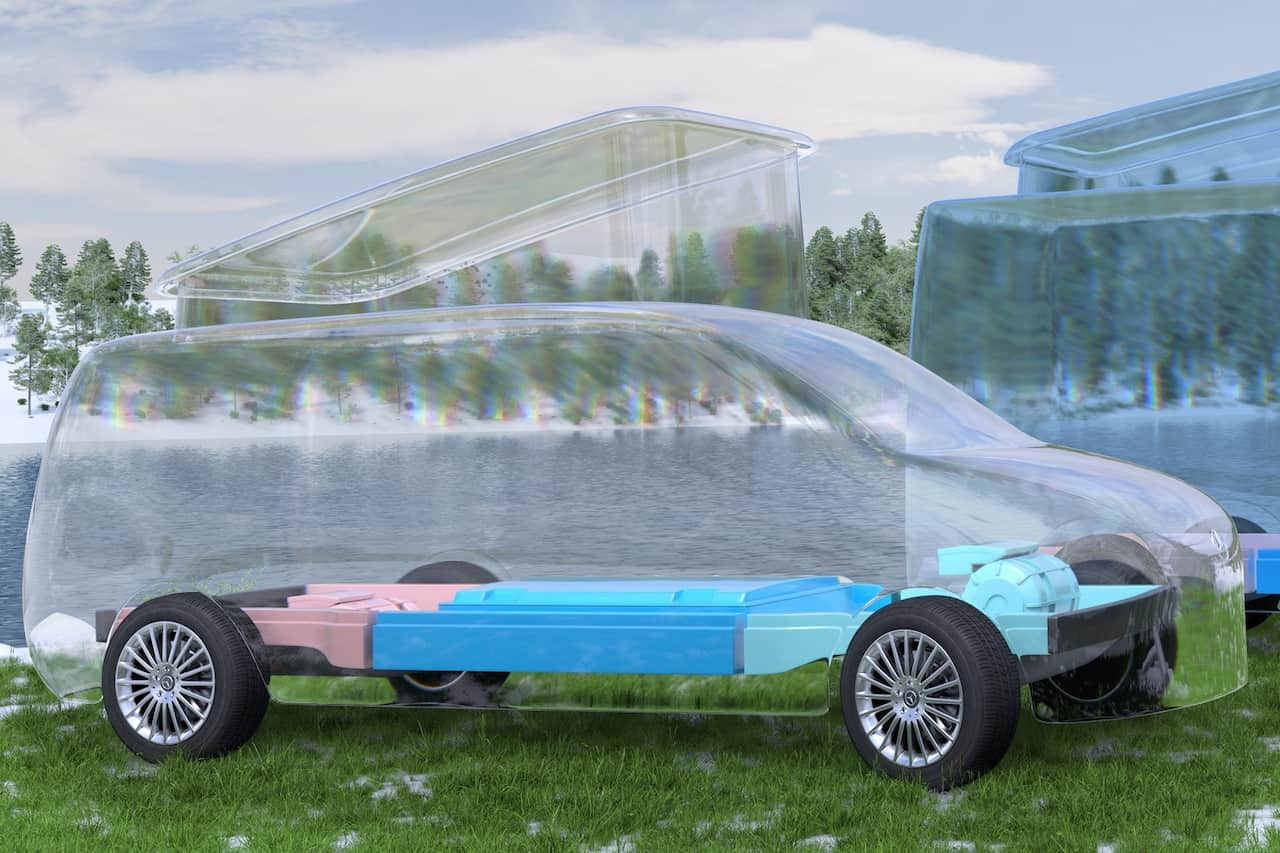
Around 2026, a new-generation Mercedes EQV will replace the first-gen model. While the current EQV is a conversion of the V-Class, thus an EV developed on a modified ICE vehicle platform, the next-gen EQV could be a bespoke EV. Mercedes-Benz Group is developing a new electric-only platform for electric vans and Light Commercial Vehicles called VAN.EA, and plans to launch the first model in 2025.
The redesigned EQV should be more space- and energy-efficient and more luxurious. It will likely deliver a range of well over 500 km (311 miles) and be available with SAE Level 2 autonomous driving right from launch.
Unlike the outgoing EQV, the next-gen EQV will likely be available in the U.S. In an announcement on May 16, 2023, Mercedes-Benz Vans said that it will offer a VAN.EA-based mid-size luxury van for private customers in the U.S.
Mercedes large electric camper van

Mercedes-Benz Vans has confirmed the launch of a pure-electric large camper van. The bigger model will be based on the VAN.EA-C platform, and is expected after 2026.
The large electric camper van will be basically a large box on wheels, designed to offer the maximum possible space in the available dimensions. It will be available with SAE Level 2 autonomous driving right from launch. In the future, it may gain more advanced autonomous driving up to SAE Level 4. Built-in tailored navigation that takes into consideration large vehicle restrictions for the route and third-party app support will likely be standard.
Hyundai Staria FCEV
The Hyundai Staria FCEV was announced at the IAA 2021 (2021 Munich Motor Show), with a market launch planned in the second half of 2023. The Staria will get the third-generation fuel cell system.
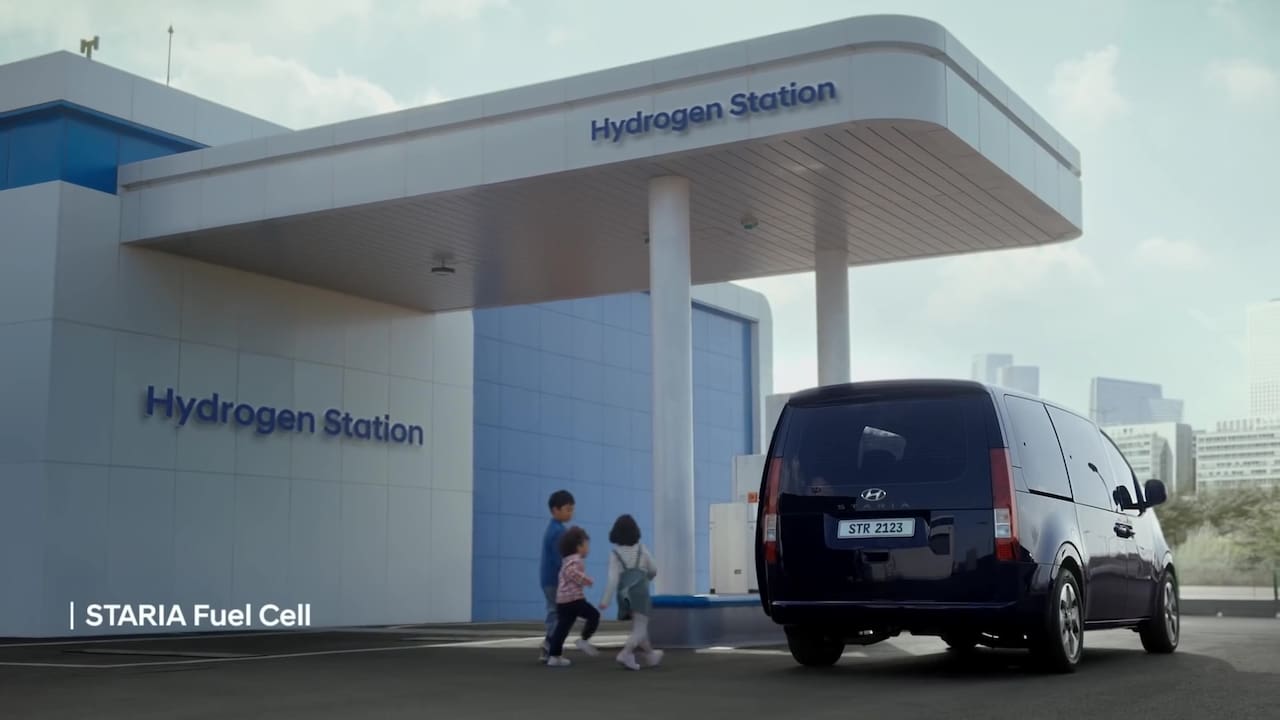
There are two versions of the fuel cell system (100 kW and 200 kW), and the Staria FCEV is expected with the 100 kW cell. The third-generation fuel cell system is 30 percent smaller than the Nexo’s unit and should allow engineers to maintain the interior space the Staria offers. Sales of the Staria FCEV will be exclusive to countries with a good network of hydrogen refueling stations.
Kia Carnival EV
Kia’s growing presence in electric vehicle segments could include an MPV by 2025. According to South Korean media, a Kia Carnival EV is in the pipeline. This electric MPV could be a conversion of the current, fourth-gen Carnival, one of the last Kia models without electrification in the United States.
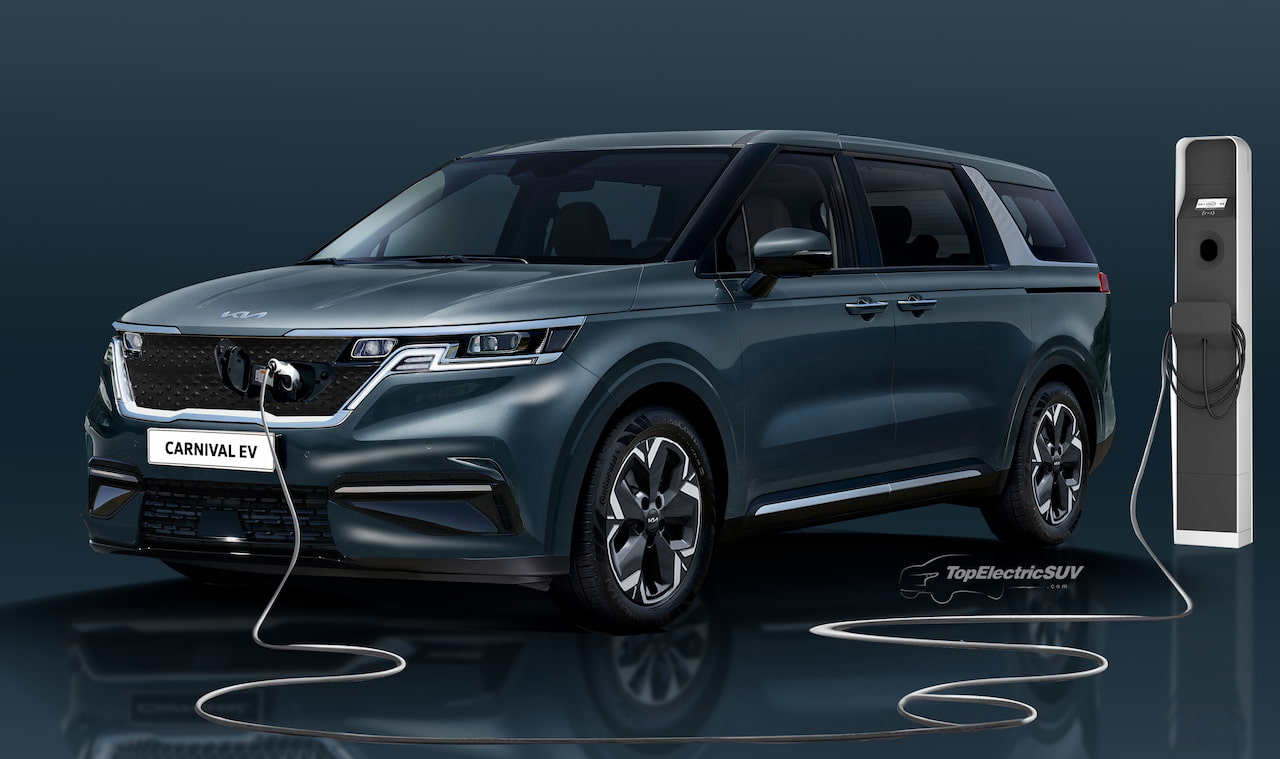
In addition to a Kia Carnival EV, a Kia Carnival FCEV could be in the making. On September 14, 2022, Maekyung.com reported that Kia plans to introduce a hydrogen-powered Carnival after it completes the rollout of hydrogen military vehicles. A week after this news broke, the company showcased three hydrogen military vehicles at DX Korea 2022 (September 21-25, 2022). The Carnival FCEV could pack the same powertrain as Hyundai’s Staria Fuel Cell.
BYD Yangwang Premium MPV
BYD’s upcoming premium electric brand, which goes by the name ‘Yangwang’ will target the electric MPV segment, though it first plans to launch a rugged electric SUV. As per a report Sina Finance published on August 25, 2022, and an electric MPV is expected by the first half of 2024.
The director of the premium brand, Zhao Changjiang, took to social media in November 2021 to collect feedback from netizens regarding a large 7-seat MPV. Given the premium positioning, we can expect the MPV to offer a range of 800+ km (500 miles) thanks to the BYD Blade Battery and the lightweight e-Platform 3.0.
XBUS
XBUS, previously called eBussy, is a new retro-style modular van. It is available to pre-order in two chassis variants: Standard and Offroad.
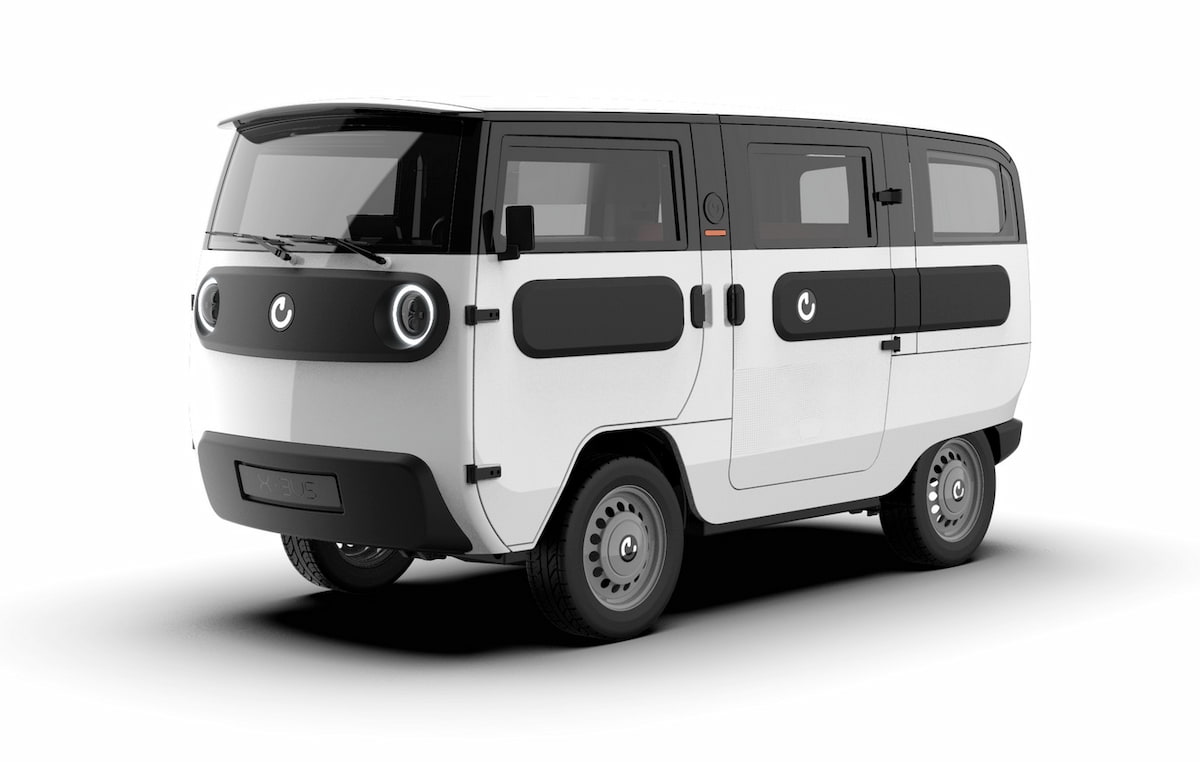
The XBUS Standard measures 3,945 mm in length, 1,633 mm in width, and 1,920 mm in height. The XBUS Offroad is just as long, but it measures 1,691 mm in width and 1,970 mm in height. The wheelbase of both variants is 2,200 mm. The XBUS is suitable for various applications, thanks to the availability of various modules: Bus, Transporter, Tipper, Box L, Box XXL, Pickup BUS Double cab pickup, Pickup, Cabrio, and Camper.
The XBUS is an AWD vehicle with four in-wheel motors that produce just 56 kW of power but a whopping 1,200 Nm of torque! The top speed is higher than 100 km/h (62 mph), and the payload capacity is approx. 800 – 100 kg. The load volumes of Cabrio and Camper modules aren’t out yet, but the rest of the range offers up to 2,770 liters.
A 10 kWh lithium-ion battery pack consisting of eight 1.25 kWh modules is standard, but customers can opt for extra modules and expand the capacity to 30 kWh. There’s also a solar roof; the size, positioning, and production capacity depend on the configuration.
Charging the lithium-ion battery pack from 10-80% SoC takes approximately three hours through a single-phase socket at 3.6 kW or less than an hour with a type 2 charger at 11 kW. The base variant with the 10 kWh battery pack should deliver a range of up to 140 km (87 miles), and that’s an official estimate. The higher-end variants with a 30 kWh battery pack will likely travel up to more than 400 km (249 miles) on a full charge.
The XBUS has active and passive safety systems like a crash box, roll bar, and electronic stability program. In the UK, prices (for the Bus) start at GBP 21,741 (USD 23,001).
The XBUS will enter production at VDL Nedcar’s plant in Born, Netherlands, in late 2024 or early 2025. Its European launch will take place in early 2025, but test drives should begin a few months earlier. There’s no plan to release it in the U.S. or Canada. German publications such as SHZ.de say that the brand has received 15,000 reservations.
Li Mega
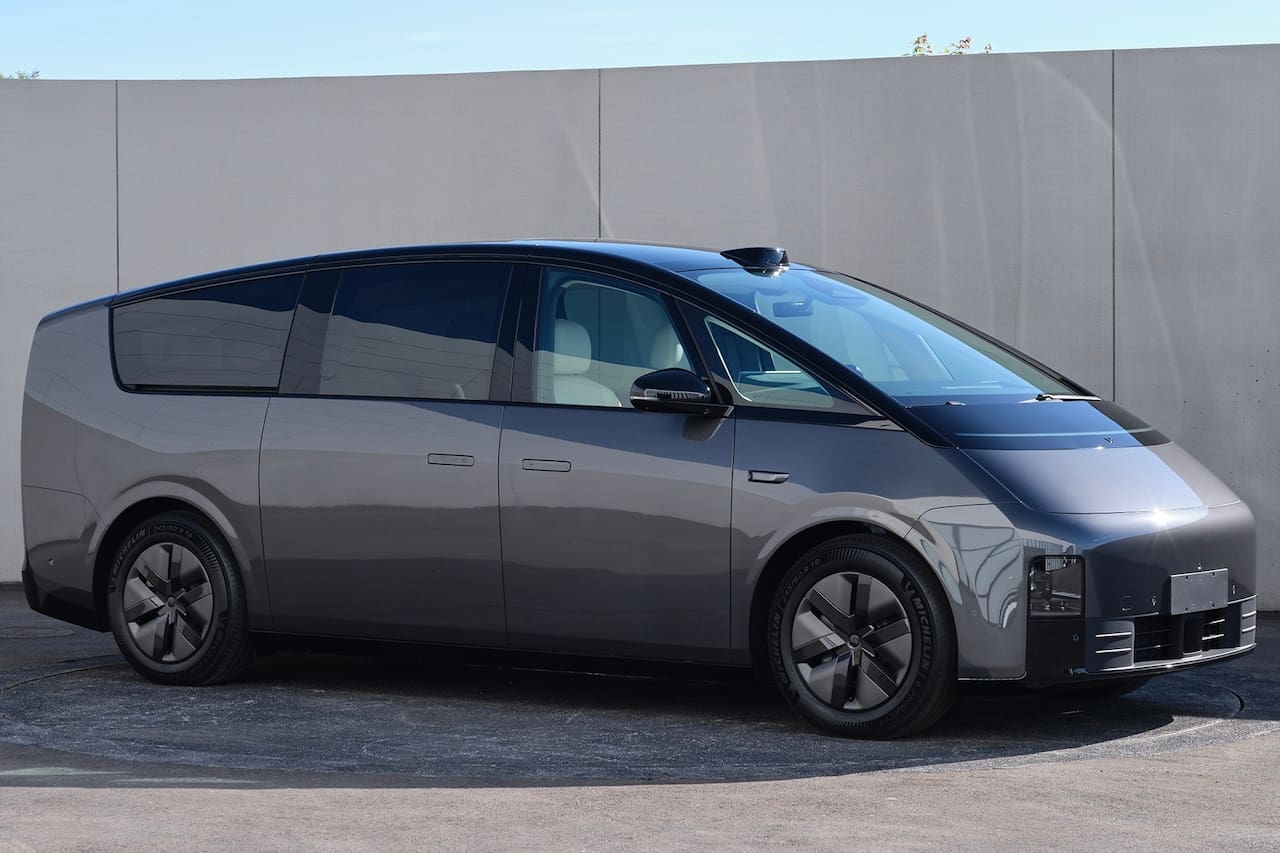
The Li Mega is an electric luxury MPV designed to be extremely aerodynamic, with company founder and CEO Li Xiang boasting “Just guess the drag coefficient” as the caption of its first official images. Upper grille delete, flush door handles, and almost fully covered alloy wheels etc. have become common traits of EVs, but the Li Mega is on another level in terms of drag reduction measures.
Shape-wise, the Li Mega looks like a cross between a Hyundai Staria and a Toyota Previa. This MPV has a short hood, an expansive windshield, steeply raked A-pillars, a huge front quarter glass, large windows, and notably short overhangs. The egg-shaped MPV’s roofline and upright rear end remind us of the Hyundai Seven concept. There appears to be a LiDAR sensor on the roof, which is typically a sign of high-level autonomous driving functions.
Reports say the Li Mega measures between 208-212 inches (5.3-5.4 meters) in length, with the wheelbase between 126-134 inches (3.2-3.4 meters). It reportedly has a CATL-sourced battery pack that can deliver a range of more than 400 km (249 miles) with just 9 minutes and 30 seconds of charging and 600 km (373 miles) of range with 22 minutes of charging. The total range achievable on a full charge should be truly impressive.
The Li Mega seems to have one of the world’s fastest-charging battery packs. A spy video has shown it being charged at over 521 kW and continuing at over 300 kW even after reaching 80% level. After seeing this clip, we’re just as curious about its final charging specifications just as much as its official range estimate.
Li Auto is constructing a new manufacturing site in Beijing with a production capacity of 100,000 EVs. The plant will be opened in 2023, and the pure-electric MPV is expected to be the first model to be made at this site, with production starting in early 2024.
Li Auto plans to announce the price of the Li Mega later in December 2023. The company has confirmed that the number will be under CNY 600,000 (USD 84,074). The display units of the new electric luxury MPV will begin arriving in showrooms in January 2024 and its customer deliveries will commence in late February 2024.
Honda electric minivan
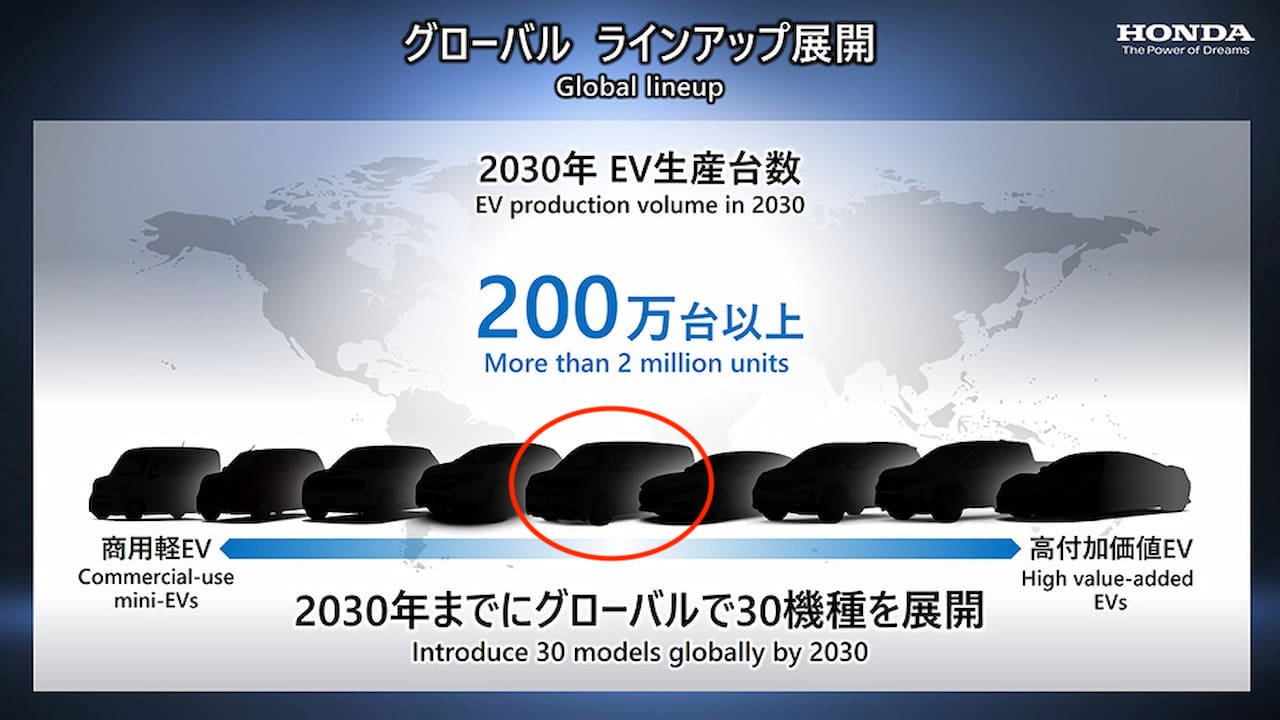
Announcing its EV strategy on April 12, 2022, Honda said it will launch 30 electric vehicle models worldwide by the end of the decade. With a wide selection of 30 electric vehicles ranging from commercial-use mini-EVs to flagship-class sports cars, Honda aims to start producing more than 2 million EVs annually by 2030.
Along with the announcement, Honda released a broad teaser having the silhouettes of its planned future EVs. As shown in the picture above, one of the teased models is a flat and boxy people mover. This Honda electric minivan seems to have proportions similar to the Honda StepWGN (Honda Step Wagon), which sits between the Freed and Odyssey in Japan. Honda is expected to share more details about its new electric cars in 2023.
The Odyssey has been a faithful servant to Honda’s American operations for the last 28 years. Honda has no better choice than to reinvent it as an all-electric vehicle for the future.
Audi urbansphere
The Audi urbansphere concept, revealed in April 2022, is the third and final Audi “sphere” concept. It’s a luxurious electric van that Audi’s Beijing and Ingolstadt design studios jointly developed for Chinese customers.
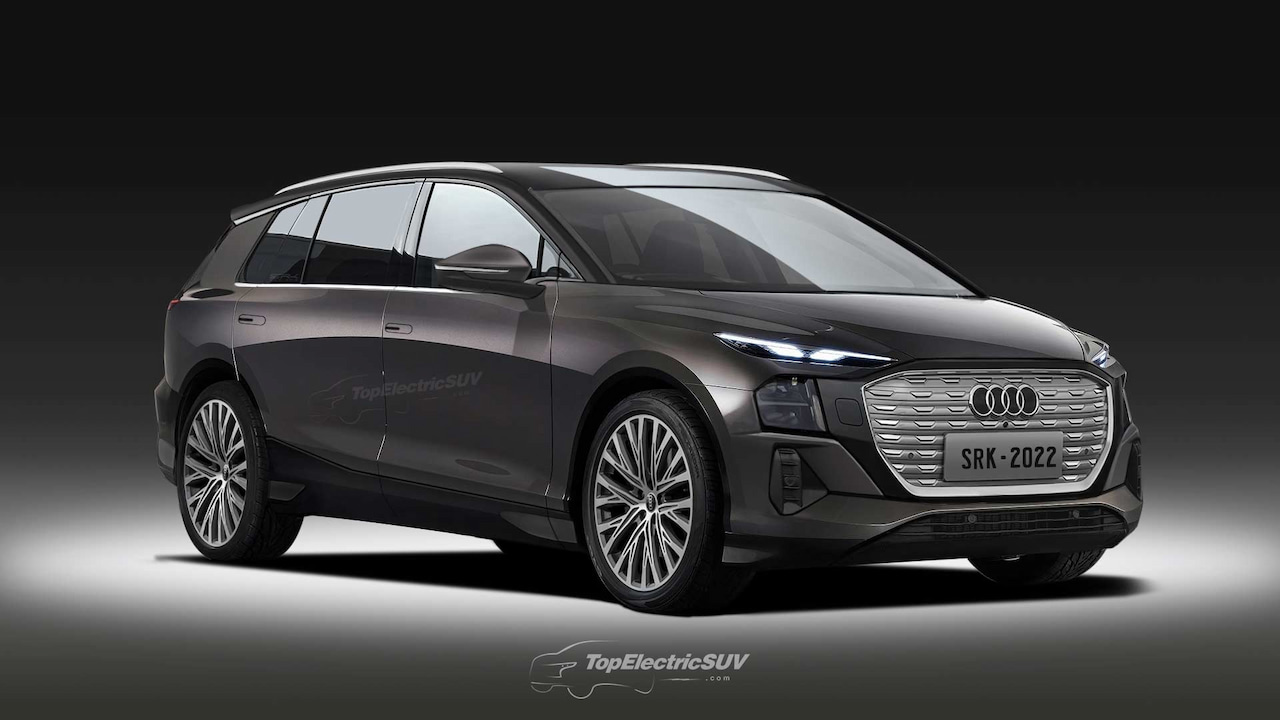
Measuring 5.51 meters (216.9 in.) in length, 2.01 meters (79.1 in.) in width, and 1.78 meters (70.1 in.) in height, and with a wheelbase of 3.40 meters (133.9 in.) it’s a truly grand MPV.
The urbansphere concept is an ultra-luxurious people mover for four individuals in traffic-dense Chinese megacities. The rear seats particularly offer a lot of comfort, allowing the passengers to tilt them up to 60 degrees and extending leg rests, too. A transparent OLED screen allows video conferencing, watching movies, and more, to make the best possible use of time on the go.
Based on the PPE platform, the Audi urbansphere has a 120+ kWh battery pack that should provide a WLTP range of up to 750 km (466 miles). With a DC fast-charging power of 270 kW, it can charge up from 5 to 80% in less than 25 minutes. Just 10 minutes of charging can provide a range of more than 300 km (186 miles). There is no official confirmation, but Audi is likely to launch a production electric MPV inspired by this concept this decade, designed for large metropolitan cities.
Buick Electra MPV/GL8 EV
General Motors announced on June 1, 2022, that it had planned several Buick electric vehicles. The brand remains committed to the Chinese market, where five all-new electric vehicles based on GM’s Ultium platform will be introduced through 2025. GM has confirmed an electric Buick MPV, but no further details have been released yet. Future Buick EVs will take the ‘Electra‘ prefix.
Buick’s all-new EV portfolio will be empowered by the revolutionary Ultium platform, covering the mainstream MPV, SUV and sedan segments.
Buick announcement (via media.gm.com) on June 1, 2022
General Motors has also confirmed an all-electric Buick GL8 MPV for China. “The Buick GL8 and this one is really, the GL8 in China for Buick has really been a hit for many, many years. So now we electrify that,” said Mark Reuss, President of General Motors, at the 2022 GM Investor Day on November 17, 2022.
It is expected that the GL8 EV will be slotted above the Century – the current flagship of the GL8 range. Moreover, the all-electric GL8 is to employ the latest Ultium-derived platform, battery & powertrain technologies, and won’t be a conversion-type model. General Motors is yet to release any official details regarding the design and features/specifications, but it is likely to carry forward the ‘GL8’ branding to the all-electric model, citing the nameplate’s significance in China. That said, we suspect ‘Electra’ to be a prefix in all future Buick EV models.
Volvo EM90
The Volvo EM90 is a large electric MPV for China and could compete with the Zeekr 009 and Maxus MIFA 9.
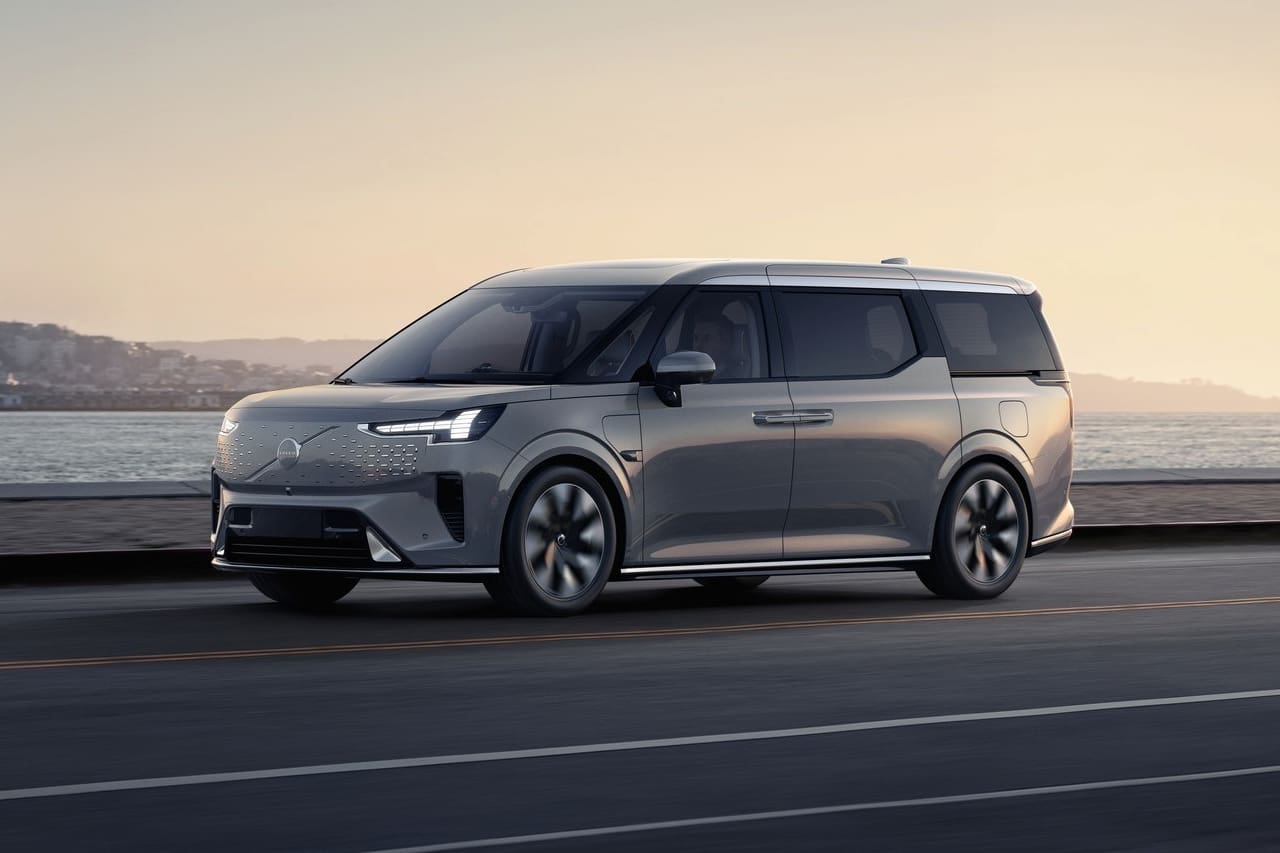
The Volvo EM90 has been developed on the SEA platform, so many of its components and features could have been derived from the Zeekr 009, as per Chinese media speculation.
The EX90-inspired Thor Hammer headlights immediately giveaway that this MPV is a Volvo, and the rather low-profile covered grille panel with illumination also has Sweden written all over it. The EM90 is the first-ever Volvo to have an illuminated logo, with both the Iron Mark at the front and the wordmark at the back featuring backlighting. The vertical tail lamps are inspired by the skyline of modern cities, something China has in abundance.
Inside, Volvo Cars has equipped the 6-seat MPV with features like VIP second-row seats with winged headrests, folding tray tables, and leg rests, Orrefors crystal gear shift lever, fold-out rooftop entertainment screen, Bamboo-grained translucent trim, and a 2.16-square-meter panoramic sunroof.
The EM90 measures 5,206 mm in length, 2,024 mm in width, and 1,859 mm in height and has a 3,205 mm wheelbase. It is powered by a 200 kW (268 hp)/343 Nm (253 lb.-ft.) rear motor sourced from Geely’s Viridi E-mobility. A 0-62 mph sprint takes 8.3 seconds and the top speed is 180 km/h (112 mph).
The EM90 uses a 116 kWh lithium-ion battery pack manufactured by Times Geely, a joint venture company of CATL and Zeekr based in Yibin (Sichuan Province), China. On a full charge, it’s possible to travel up to 738 km or 459 miles (CLTC).
Volvo Cars has said that it plans to launch the EM90 “first” in China, indicating it does plan to sell the electric MPV in other countries. However, Norway won’t be among those markets, Erik Trosby, the company’s Marketing and Communications Manager in the country, has confirmed, as per a report Broom released on September 8, 2023. Sweden is not on the list either, Carup reported on September 11, 2023, citing local Volvo Cars spokesperson Magnus Holst.
In most markets, SUVs are taking over, but not in China, thanks to the nation’s new three-child policy. Volvo Cars’ mid-decade line-up will see a showroom of 7 EVs, including the EM90. In addition to electric MPVs, the Volvo EM90 rival the gasoline-powered Toyota Alphard, Buick Century, and Hongqi HQ9 as well. According to a report auto.ifeng.com released on July 13, 2023, Priced at CNY 818,000 (USD 114,621), it is way more expensive than the Zeekr 009, the prices of which start at CNY 499,000 (USD 69,921).
GAC Aion Hyper MPV
In 2022, GAC Group’s Aion brand introduced a new sub-brand called ‘Hyper.’ The Hyper family consists of the SSR electric supercar and the GT electric four-door coupe. Looking ahead, the lineup is expected to expand with the inclusion of a medium-sized and large electric SUV, potentially resembling a model like the Lotus Eletre. Additionally, the company has confirmed plans for an electric MPV.
The GAC Aion Hyper MPV will likely be a high-end offering that will compete with the likes of Zeekr 009 and Denza D9. Expect an outlandish exterior in a familiar shape and a minimalist interior with plenty of space, high-end comfort features, and a bank of large screens. Seating layout options should include captain’s chairs for all rows.
The GAC Aion Hyper MPV may deliver a CLTC range of at least 600 km (373 miles) and have a starting price of around CNY 450,000 (USD 63,055). It could debut and go on sale in China in 2024.
Featured Image: VW

A Mechanical Engineer by qualification, I started out as an automotive editor of a regional magazine in 2011. In my 11 years of experience in creating automotive content, I’ve traveled around the world to review, analyze and report on the world’s top electrified cars.